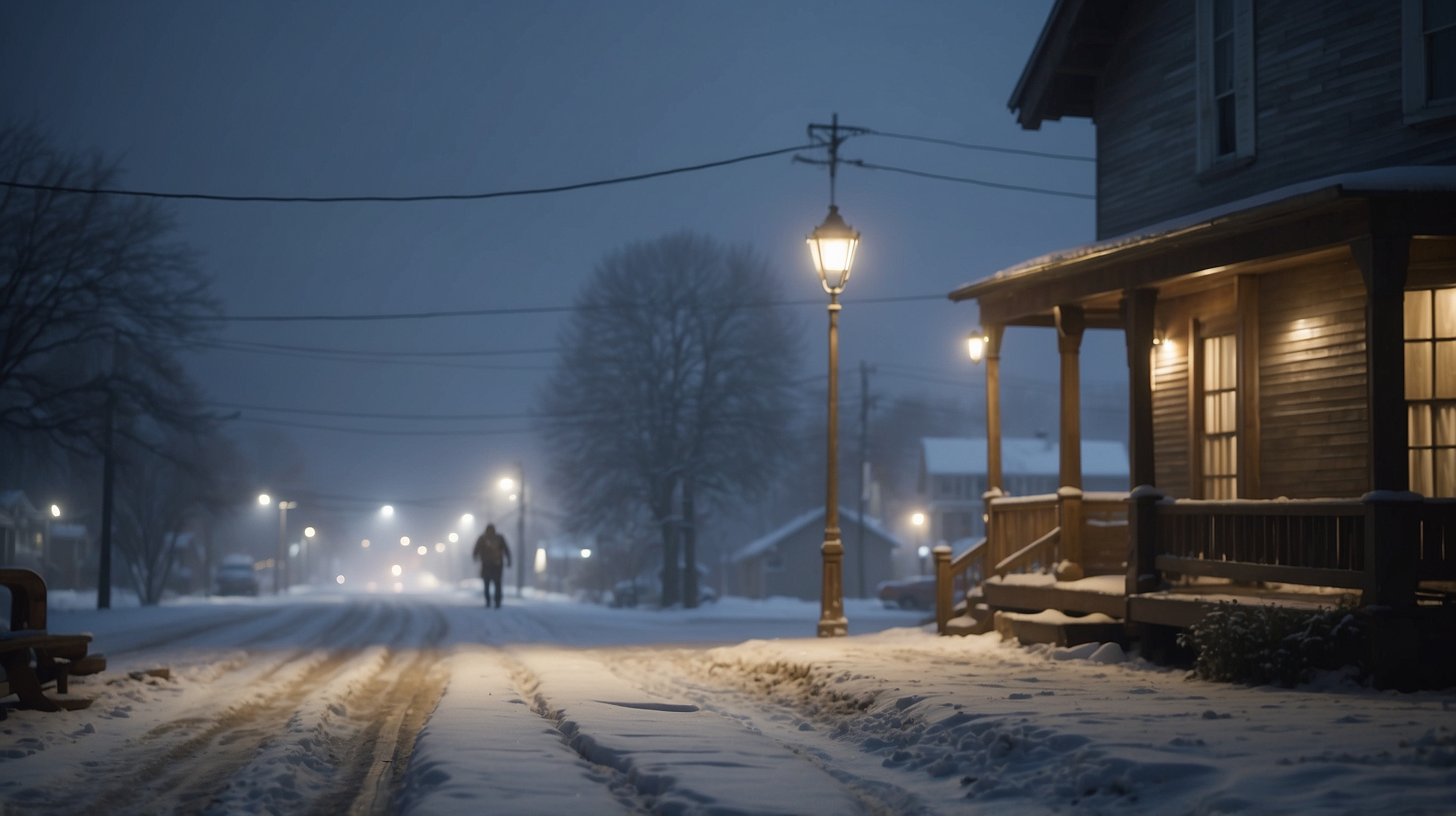
When a major winter storm hits, it can bring more than just snow — it can knock out power for millions, halting heat, communication, and even access to clean water. In the wake of recent sweeping winter storms affecting large swaths of the United States, power grid failure has emerged as one of the most pressing and dangerous aftereffects. With homes suddenly plunged into freezing darkness, the situation quickly escalates from inconvenient to life-threatening, especially for vulnerable populations such as the elderly, chronically ill, and those living in remote rural areas.
In cities from Texas to New York, residents have endured unexpected blackouts, in many cases lasting several days. The combination of ice, wind, and heavy snowfall has pushed utility systems to their limits, with downed trees and frozen transformers leading the reasons for service interruptions. As another round of storms looms on the horizon, knowing what to do in the event of a power outage — especially during extreme cold — is no longer a suggestion, it’s a necessity. This guide provides urgent, life-saving information and timely actions individuals can take now to stay safe.
Winter Power Outage Safety Overview
| Topic | Key Info |
|---|---|
| Main Cause of Power Outages | Ice accumulation, wind-damaged lines, overloaded systems |
| States Most Affected So Far | Texas, Oklahoma, New York, Pennsylvania, Illinois |
| Average Outage Duration | 6–72 hours, depending on severity and utility response |
| Immediate Action to Take | Preserve heat, insulate windows, limit phone use |
| Emergency Items to Have | Flashlights, extra batteries, blankets, water, non-perishable food |
What’s causing power outages during winter storms
Winter weather uniquely stresses utility infrastructure. Ice storms cause freezing rain to coat power lines and tree limbs, often leading to excessive weight that results in snapping or collapse. High winds exacerbate this problem by knocking frozen trees into transmission lines. Additionally, heavy snow accumulation can also result in structural damage to essential transformers and utility poles.
But it’s not just external weather that compromises the system — there’s also a surge in demand. When temperatures plummet, energy usage spikes dramatically as consumers use electric heating and appliances more consistently. This demand can overwhelm already stressed grids, triggering automatic shutdowns to prevent long-term system damage — a process known as load-shedding or rolling blackouts.
What to do immediately if you lose power in a storm
First and foremost, preserve your body heat. Close off unused rooms, cover windows with heavy drapes or blankets, and dress in several layers, ideally with wool or thermal undergarments. It’s also crucial to avoid opening the refrigerator or freezer unless absolutely necessary — doing so helps maintain cold temperatures and prevent spoilage for up to 24–48 hours.
Limit the use of cell phones and other battery-powered devices unless they are necessary for emergencies. A hand-crank radio or solar-powered battery pack can be vital in maintaining communication and accessing updates if internet service is disrupted.
Preparation is no longer optional. Every winter storm now carries the risk of days-long outages. People must be ready to shelter in place without heat or power.
— Jane Collins, Emergency Resilience Analyst
How to stay warm safely without electricity
If you have a fireplace, wood stove, or portable propane heater approved for indoor use, these can provide temporary warmth — but safety is non-negotiable. Ensure proper ventilation to reduce the risk of carbon monoxide poisoning and always follow the manufacturer’s directions. Never use outdoor grills, camp stoves, or generators indoors or in enclosed spaces like garages.
Get creative with your body temperature: build an indoor tent out of blankets, huddle together with household members, or make use of heated rice socks or warm water bottles. Cover your head and hands, which are primary heat-loss points. Eating high-calorie, warm foods when available also helps maintain core temperature.
Food and water safety during power outages
Food safety is often overlooked in cold-weather blackouts. Perishable foods in refrigerators should be discarded if the temperature exceeds 40°F for more than two hours. Freezers can maintain temperature for about 48 hours if full and unopened. Drinking water should be stored in advance if a storm is forecasted — snowstorms can disrupt water purification systems or result in burst pipes.
If tap water becomes questionable, purify it by boiling for at least one minute (when possible) or use water purification tablets. Avoid eating potentially spoiled meat, dairy, or eggs — when in doubt, throw it out.
When to evacuate and how to do it safely
If indoor temperatures fall dangerously low, especially for infants or seniors, consider leaving — but only if it’s safe. Before traveling, listen to advisories and assess road conditions. If roads are impassable, contact local emergency shelters or warming centers, some of which offer transportation assistance during extreme weather events.
Bring essential items like IDs, medications, emergency kits, and personal hygiene supplies. Don’t forget to secure your home by turning off the main water line (to prevent frozen pipes) and unplugging electronics to avoid power surges when electricity returns.
How states and utilities are responding
As of now, utility crews and the National Guard have been deployed in multiple states to respond to downed lines and stranded residents. Power companies are prioritizing critical infrastructure — hospitals, water treatment facilities, and emergency services. In hard-hit communities, temporary warming shelters and public school gyms have been converted to shelter operations.
That said, restoration could take days as crews battle icy conditions that slow repairs. Increasingly, power companies are also under scrutiny for failing to modernize their grid systems, a factor that has contributed to recurring outages year after year.
Grid modernization and decentralization — including home solar systems and microgrids — will be key going forward. Reliance on centralized fossil-fuel infrastructure won’t hold up under climate-driven extremes.
— Dr. Luis Herrera, Energy Systems Researcher
Winners and losers from the storm disruptions
| Group | Status |
|---|---|
| Prepared homeowners (generators, food supplies) | Winner: Maintained warmth and basic services |
| Rural residents and the elderly | Loser: Limited access to help, power, or transportation |
| Utility companies | Loser: Facing public scrutiny and aging infrastructure |
| Emergency responders | Winner: Praised for quick rescue efforts and shelter setup |
| Smart home users with battery backups | Winner: Maintained communication and minor power usage |
How to prepare now before the next outage
Invest in an emergency supply kit. Key items include non-perishable food, bottled water (one gallon per person per day), flashlights, a battery-operated or crank radio, blankets, backup medication, and pet supplies. If financially feasible, portable generators and backup battery systems can make a huge difference, but safety precautions — including never running them inside — are critical.
Also, sign up for local emergency alerts and weather warnings. Follow reliable local sources for shelter information and roads/transport advisories. Make a household plan with designated meeting points, especially if separated during a first-wave outage.
FAQs about winter power outages
What should be in a winter storm emergency kit?
Your kit should include flashlights, extra batteries, first aid supplies, water, non-perishable food, warm clothing, personal hygiene items, a portable phone charger, and a battery-operated radio.
How long can food last in the fridge during an outage?
If unopened, food will generally stay safe in a refrigerator for up to 4 hours and in a full freezer for 48 hours. Once internal temps exceed 40°F, perishables should be discarded.
Is it safe to use my gas oven for heat if the power goes out?
No, gas ovens were not made for space heating and can pose a serious carbon monoxide risk. Use only heaters that are rated safe for indoor use and ensure proper ventilation.
When should I consider evacuating?
Evacuation is advisable if room temperatures drop below 50°F for extended hours and you have small children, elderly, or medically vulnerable family members. Only evacuate if roads are declared safe or help is available.
Can I run a generator indoors or in my garage?
Absolutely not. Running a generator indoors or even in a partially enclosed space can result in deadly carbon monoxide buildup. Always operate it outdoors, away from windows and vents.
Should I unplug electronics during an outage?
Yes. Power surges when electricity is restored can damage electronics. Unplug sensitive devices and wait a few minutes after restoration before plugging them back in.