Sarah stares at her phone screen, watching the group chat light up with weekend plans. “Beach day tomorrow! Who’s in?” Her thumb hovers over the keyboard for what feels like forever. She starts typing “Sounds fun!” then deletes it. Types “Maybe…” then deletes that too. Finally, she puts the phone face down and feels that familiar knot in her stomach – part relief, part guilt.
It’s not that she doesn’t love her friends. She does. But lately, the thought of being “on” for hours, making conversation, laughing at the right moments, feels exhausting before it even begins. She just wants to stay home, maybe read a book, maybe do nothing at all.
And then comes the question that keeps her up at night: What’s wrong with me?
When Wanting to Be Alone Becomes Your Default Setting
The desire for solitude isn’t automatically a red flag. Psychologists say wanting to be alone becomes concerning when it shifts from preference to compulsion – when you’re not choosing solitude, but running from connection.
“There’s a huge difference between needing alone time to recharge and isolating yourself because social interaction feels threatening,” explains Dr. Rachel Martinez, a clinical psychologist specializing in social anxiety. “One restores you, the other depletes you further.”
The tricky part? From the outside, both look identical. You’re declining invitations either way. But the internal experience tells a completely different story.
Healthy solitude feels like coming home to yourself. You breathe easier, think clearer, feel more grounded. Unhealthy isolation, on the other hand, often comes with a soundtrack of self-criticism and worry about what others think of your absence.
The Psychology Behind Your Social Withdrawal
Understanding why you’re craving alone time starts with recognizing the different psychological drivers behind social avoidance. Mental health professionals have identified several key patterns:
- Energy depletion: You’re genuinely overwhelmed and need time to recover from overstimulation
- Social anxiety: Fear of judgment or embarrassment makes social situations feel unsafe
- Depression: Low mood creates a sense that you’ll bring others down or that you don’t deserve connection
- Perfectionism: The pressure to perform socially feels too demanding when you’re struggling
- Life transitions: Major changes can temporarily disrupt your social patterns while you process
- Introversion amplified: Natural introversion becomes more pronounced during stressful periods
“People often think there’s something fundamentally wrong with them when they start wanting to be alone more,” notes Dr. James Chen, a behavioral therapist. “But usually, it’s your mind’s way of trying to protect you from something.”
| Healthy Alone Time | Concerning Isolation |
|---|---|
| Feels restorative and peaceful | Feels heavy or anxiety-provoking |
| You still enjoy people, just in smaller doses | Social contact feels overwhelming or pointless |
| You choose when to be social | You avoid social situations by default |
| Alone time energizes you | Isolation makes you feel worse over time |
| You maintain some close connections | You’re pulling away from everyone |
What Your Friends Are Really Thinking
Here’s what most people don’t realize: your friends probably aren’t judging you as harshly as you think. They might be confused, worried, or even a little hurt, but they’re likely not writing you off completely.
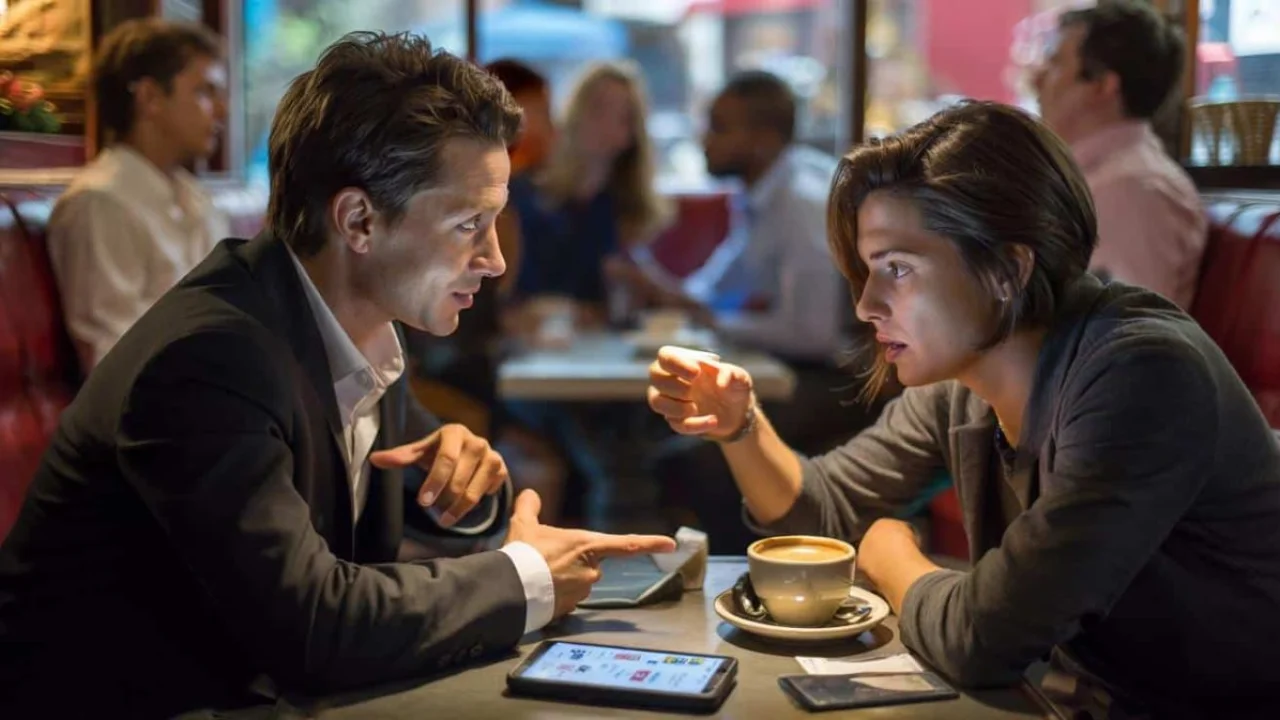
“When someone starts declining invitations regularly, friends often assume they did something wrong,” explains Dr. Lisa Thompson, a relationship counselor. “They don’t automatically think ‘they must be struggling’ – they think ‘they must not like us anymore.'”
This creates a painful cycle. You withdraw because socializing feels too hard. Friends interpret this as rejection and may stop inviting you. You see fewer invitations and think, “See? They don’t really care about me.” Everyone ends up hurt and confused.
The reality is most genuine friendships can weather periods of withdrawal if there’s some communication about what’s happening. A simple “I’m going through a tough time and need some space, but it’s not about you” can preserve relationships during your healing process.
Breaking the Cycle Without Breaking Yourself
Recovery from chronic social avoidance doesn’t mean forcing yourself back into every social situation immediately. That often backfires, making you feel more overwhelmed and likely to withdraw further.
Instead, psychologists recommend a gradual approach that honors your need for space while slowly rebuilding your social confidence:
- Start small: Accept invitations for shorter, lower-pressure activities first
- Choose your people: Prioritize time with friends who feel safe and non-judgmental
- Set boundaries: It’s okay to leave early or say no to parts of social plans
- Practice self-compassion: Treat yourself with the kindness you’d show a struggling friend
- Communicate honestly: Let trusted friends know you’re working through something
“The goal isn’t to become super social again overnight,” emphasizes Dr. Martinez. “It’s to reconnect with your authentic social self, whatever that looks like for you.”
Sometimes wanting to be alone is exactly what you need. Sometimes it’s your mind trying to protect you from perceived threats that aren’t really there. Learning to tell the difference is one of the most valuable skills you can develop for your mental health.
Remember Emma from earlier? Six months later, she’s found her balance. She’s still more selective about social plans than she used to be, but now it feels like choice rather than compulsion. She’s learned to trust her instincts about when she needs space and when she’s ready to reconnect.
Your relationship with solitude and socializing will likely evolve throughout your life. The key is staying curious about what you need rather than judging yourself for needing it.
FAQs
Is it normal to want to be alone more as you get older?
Yes, many people become more selective about social activities with age as they better understand their preferences and have less energy for superficial interactions.
How do I know if my desire for alone time is healthy or concerning?
Healthy solitude feels restorative and is balanced with some social connection, while concerning isolation feels heavy and leads to increasing withdrawal from all relationships.
Should I force myself to be social when I don’t want to?
Forcing yourself rarely works long-term and can increase anxiety about social situations. Instead, start with small, comfortable social interactions and gradually build up.
How can I explain to friends that I need space without hurting their feelings?
Be honest but reassuring: “I’m going through a period where I need more alone time to recharge, but it’s not about our friendship. I really value you and hope you can be patient with me.”
When should I consider talking to a therapist about social withdrawal?
If your desire to be alone is interfering with work, relationships, or daily activities, or if you feel consistently worse after isolating, it’s worth speaking with a mental health professional.
Can introverts become too isolated?
Absolutely. Even natural introverts need some social connection for wellbeing. The difference is they typically need less frequent and more meaningful social interactions compared to extroverts.

Related Posts