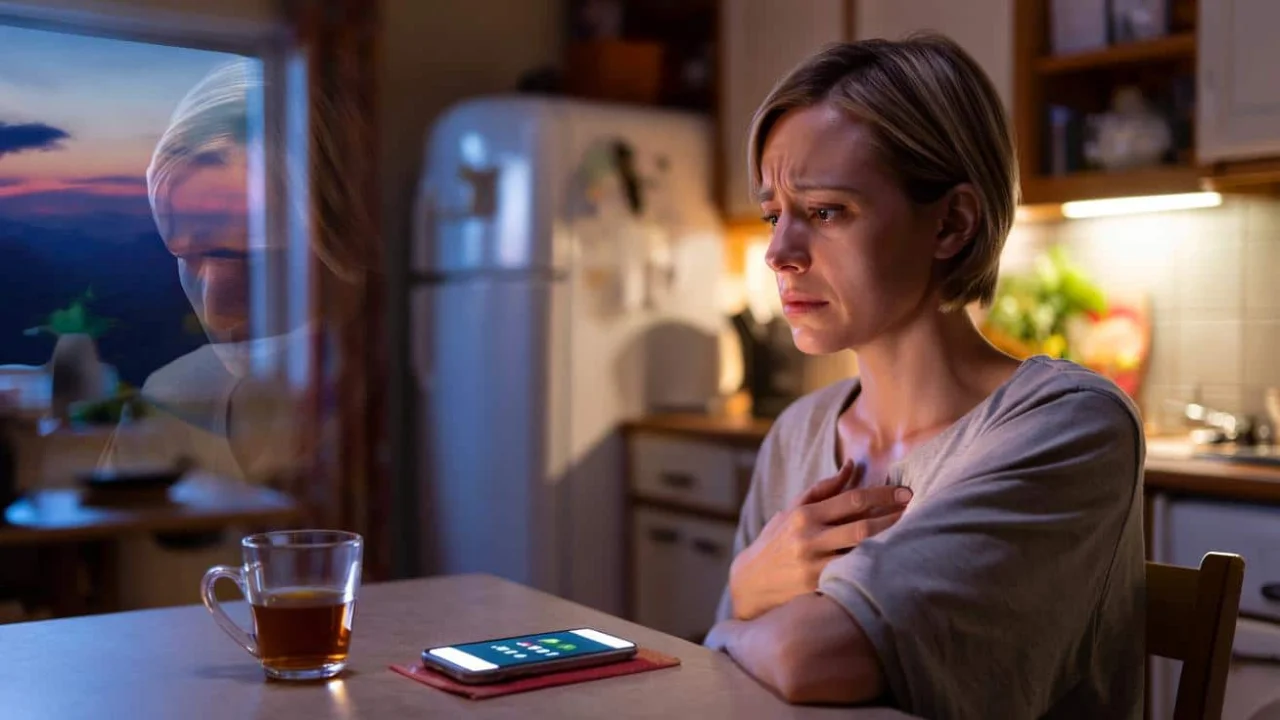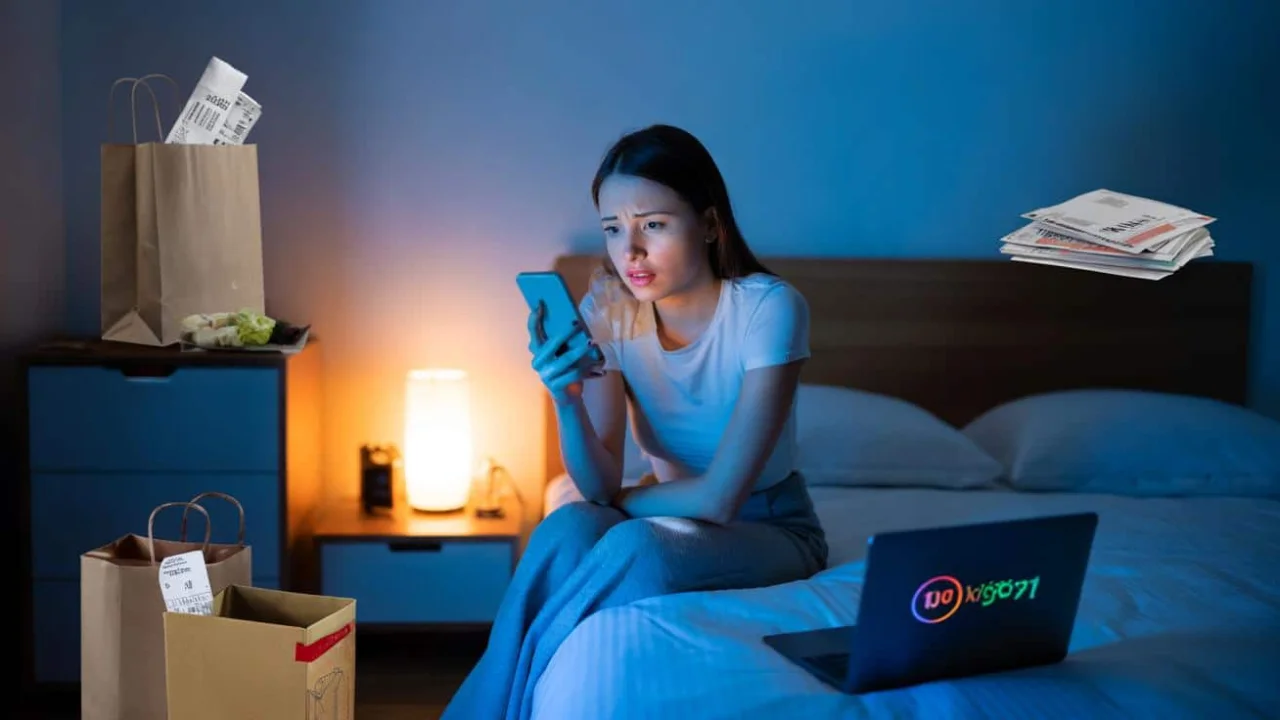
Sarah used to lie in bed every night, staring at the ceiling for what felt like hours. Her mind would race through tomorrow’s meetings, yesterday’s mistakes, and the endless scroll of worries that seemed to multiply in the dark. She tried everything – melatonin supplements, blackout curtains, even those expensive blue light glasses.
Then her doctor suggested something surprisingly simple: “Spend 15 minutes outside every morning before you check your phone.” Sarah almost laughed. After years of sleep struggles, the solution couldn’t possibly be that easy.
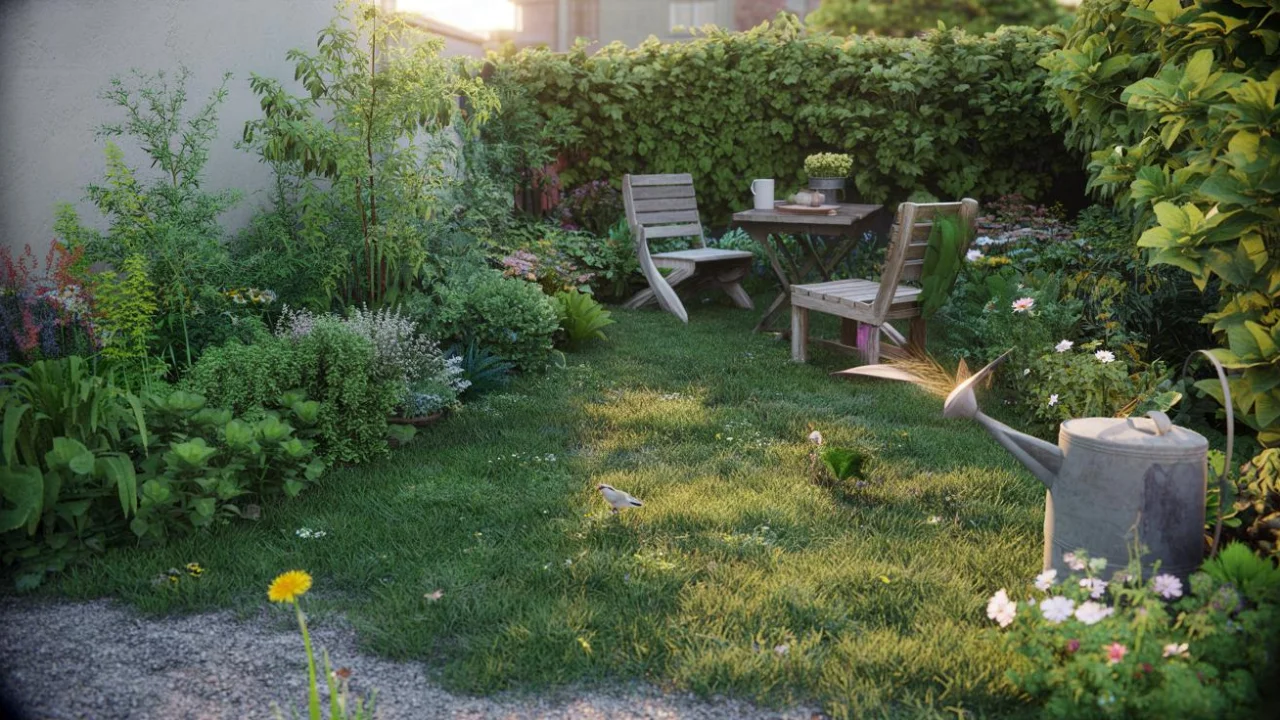
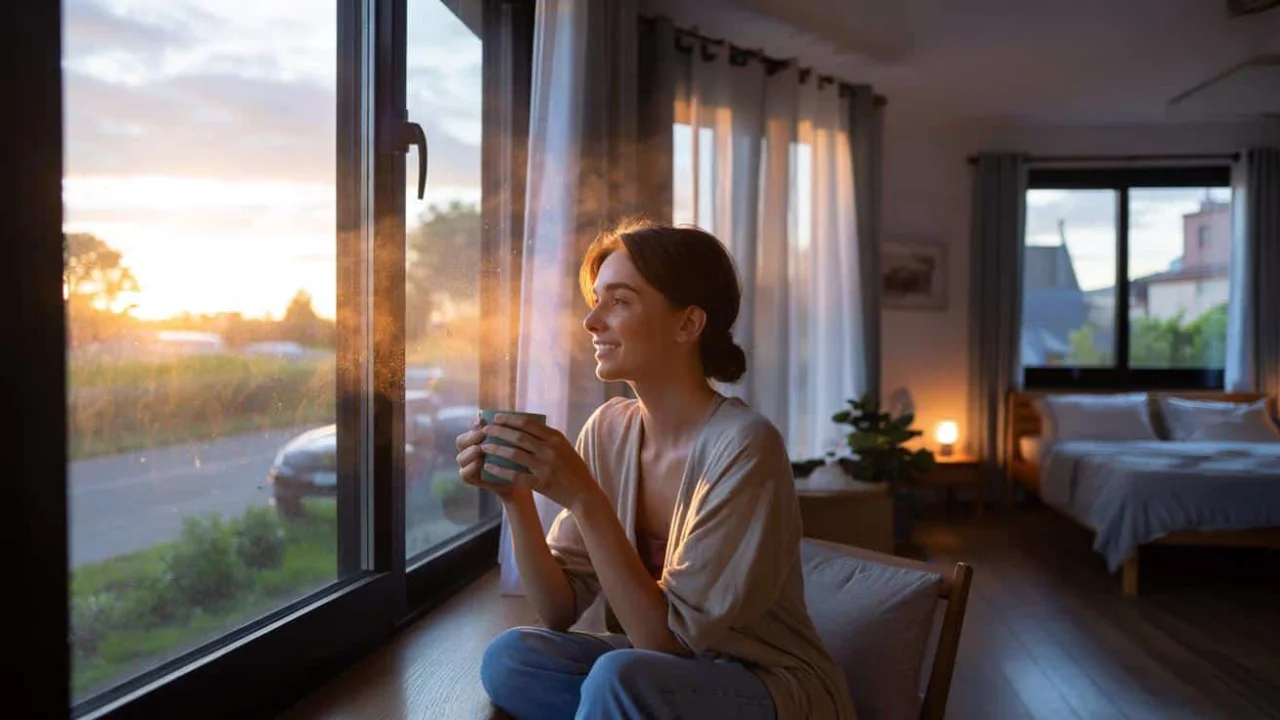
But three weeks later, she was falling asleep within minutes of hitting the pillow. The difference wasn’t the expensive sleep aids or meditation apps – it was stepping into her backyard each morning and letting natural light reset something deep inside her brain.
How natural light becomes your body’s personal sleep timer
Your brain contains a master clock called the suprachiasmatic nucleus, and it’s incredibly sensitive to light. This tiny cluster of cells controls when you feel alert, when you get hungry, and most importantly, when your body starts producing melatonin for sleep.
Think of natural light as the conductor of your biological orchestra. When morning sunlight hits your eyes, it sends a clear signal: “Day has begun. Stop making sleep hormones and start making wake-up chemicals.” Without this daily reset, your internal clock drifts like a watch that runs slow.
“Most people underestimate how much their indoor lifestyle affects their natural sleep cycles,” explains Dr. Michael Grandner, director of the Sleep and Health Research Program at the University of Arizona. “We’ve essentially created a light environment that confuses our ancient biological systems.”
The problem isn’t just that we don’t get enough bright light during the day – it’s that we get too much of the wrong kind of light at night. Your laptop screen at 10 p.m. sends the same “stay awake” signal that morning sun should send at 7 a.m.
The science behind better natural light sleep cycles
Research shows that exposure to natural light has measurable effects on sleep quality and duration. Here’s what happens when you prioritize daylight exposure:
| Time of Day | Natural Light Effect | Sleep Benefit |
|---|---|---|
| Morning (6-10 AM) | Suppresses melatonin, boosts cortisol | Earlier bedtime, faster sleep onset |
| Midday (10 AM-4 PM) | Maintains alertness, regulates mood | Deeper sleep stages, less nighttime waking |
| Evening (4-7 PM) | Gradual transition to lower light | Natural melatonin production begins |
The key factors that make natural light so effective for sleep regulation include:
- Intensity: Even cloudy outdoor light is 10-25 times brighter than typical indoor lighting
- Spectrum: Natural light contains the full range of wavelengths your circadian system needs
- Timing: Morning light exposure is most critical for setting your sleep-wake cycle
- Duration: Just 15-30 minutes of outdoor light can make a significant difference
- Consistency: Regular daily exposure creates stronger circadian rhythms
“The therapeutic dose of light for sleep regulation is surprisingly achievable,” notes Dr. Phyllis Zee, chief of sleep medicine at Northwestern University. “You don’t need to sunbathe for hours – you just need consistent, brief exposure to bright natural light.”
Who benefits most from natural light exposure
While everyone can improve their sleep with better light habits, certain groups see particularly dramatic results:
Shift workers often struggle with disrupted natural light sleep cycles. A study of nurses found that those who wore light therapy glasses during night shifts and got morning sun exposure slept 90 minutes longer on their days off.
Office workers in windowless environments frequently report sleep problems. Research from Cornell University found that employees with window views fell asleep 37 minutes faster than those in interior offices.
Older adults naturally produce less melatonin as they age. Increasing daytime light exposure can help compensate for this decline and reduce the sleep fragmentation that comes with aging.
People with seasonal depression often see sleep improvements alongside mood benefits when they increase their natural light exposure during darker months.
“I tell my patients that light is like a vitamin for sleep,” says Dr. Rafael Pelayo, a sleep specialist at Stanford Medicine. “You can’t store it up, so you need a daily dose.”
Simple ways to sync your sleep with natural light
The beauty of using natural light to improve sleep is that it doesn’t require expensive equipment or major lifestyle changes. Small adjustments can create significant improvements:
- Morning routine: Step outside within an hour of waking, even if it’s just to grab the mail
- Work setup: Position your workspace near a window if possible
- Lunch breaks: Eat outside or take a brief walk instead of staying indoors
- Evening habits: Watch the sunset or sit on your porch as daylight fades
- Weekend recovery: Spend extra time outdoors to reset after a week of limited light exposure
Even on cloudy days, outdoor light provides 10 times more lux than bright indoor lighting. Your circadian system can detect this difference, even when your conscious mind doesn’t notice how much brighter it is outside.
The timing matters more than the duration. Fifteen minutes of morning sunlight will do more for your sleep than an hour of bright light in the afternoon. Your body is primed to respond to light cues in the early morning hours.
“Think of it as teaching your brain when to be awake and when to sleep,” explains sleep researcher Dr. Satchin Panda from the Salk Institute. “Natural light is the most powerful teacher your circadian system has.”
FAQs
How long does it take to see sleep improvements from natural light exposure?
Most people notice changes within 3-7 days of consistent morning light exposure, with full benefits developing over 2-4 weeks.
Can I get the same benefits from bright indoor lights?
Special light therapy lamps can help, but natural outdoor light provides the full spectrum and intensity that works best for regulating natural light sleep cycles.
What if I work night shifts or have an irregular schedule?
Try to get bright light exposure before your “morning” (when you need to be alert) and avoid bright light before your “evening” (when you need to sleep), regardless of clock time.
Does natural light exposure help with insomnia?
Yes, many people with insomnia see improvements when they increase daytime light exposure and reduce evening screen time, helping to strengthen their natural sleep-wake cycle.
Is morning light more important than evening light for sleep?
Morning light is crucial for setting your circadian clock, while reducing bright light in the evening helps maintain healthy melatonin production.
Can wearing sunglasses reduce the sleep benefits of natural light?
Yes, sunglasses can block some of the light signals your brain needs. For circadian benefits, spend at least some time outdoors without sunglasses (while protecting your eyes from direct sun glare).

Related Posts