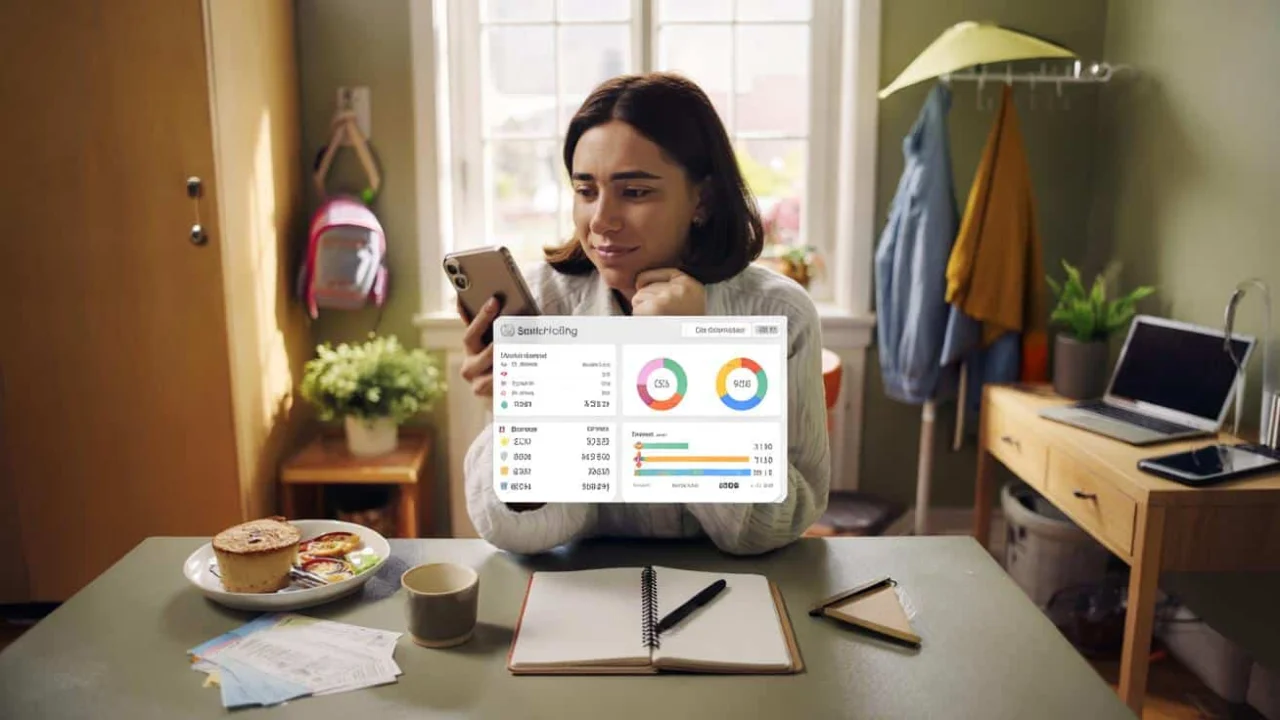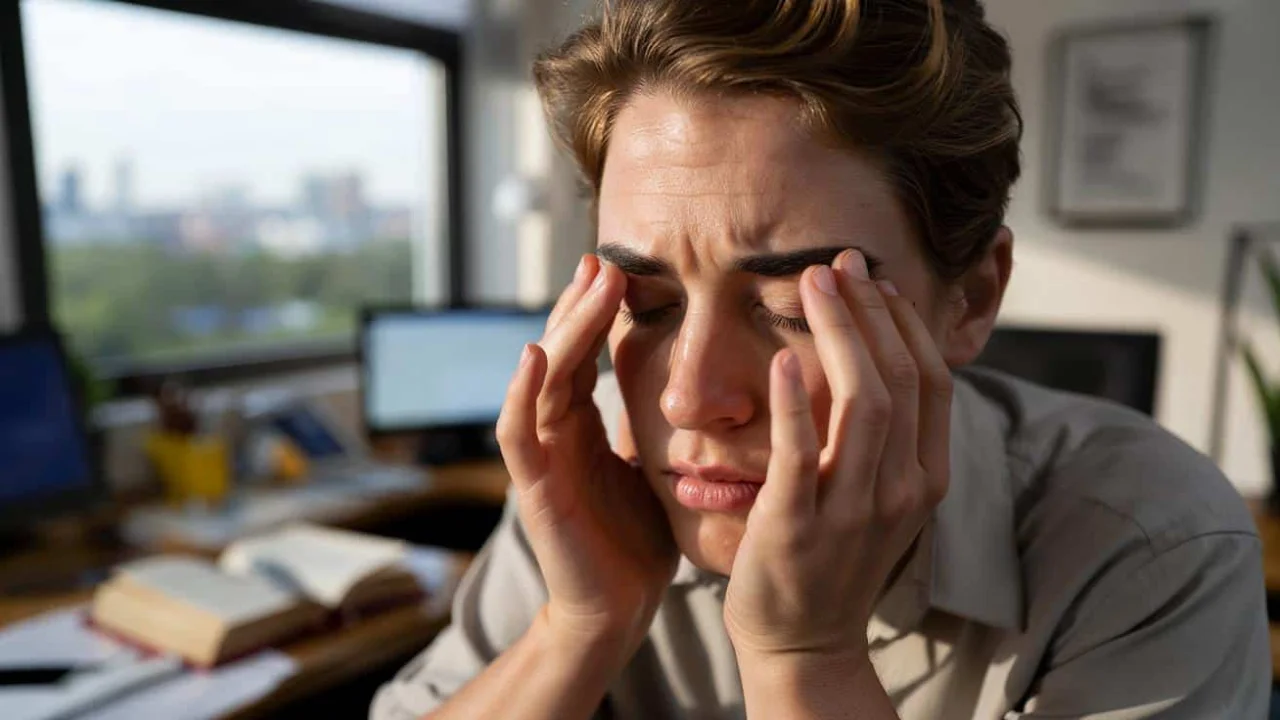
Sarah stared at her coffee cup, frustrated. She’d deliberately left her laptop closed all morning, determined to give her eyes a break after weeks of complaining about screen fatigue. Instead, she spent three hours reading a paperback novel and organizing papers on her kitchen table. By noon, that familiar burning sensation was back. Her temples throbbed. The text on the grocery list seemed to swim slightly.
“I barely touched my phone,” she muttered, pressing her palms against her closed eyelids. “So why do I feel like I’ve been staring at screens for hours?”
What Sarah didn’t realize is that her eye strain had nothing to do with blue light or digital displays. The real culprit was hiding in plain sight, working overtime every single moment her eyes were open.
The hidden muscle marathon happening in your head
Most people think eye strain comes from screens, harsh lighting, or staying up too late. While those factors matter, there’s a deeper issue that gets overlooked: the tiny muscles that control how your eyes work together.
Every time you look at something—a book, a person’s face, a street sign—both eyes must point to exactly the same spot with incredible precision. This coordination is called binocular vision, and it requires constant micro-adjustments from six different muscles around each eye.
“Think of it like a GPS system that has to recalibrate every few seconds,” explains Dr. Michael Chen, a developmental optometrist. “When those muscles are even slightly out of sync, your brain works harder to merge two slightly different images into one clear picture.”
You don’t notice this happening because your brain is remarkably good at compensating. It quietly does the heavy lifting, fusing misaligned images so smoothly that you never see double vision or obvious problems. But that extra processing takes energy.
By afternoon, the accumulated strain shows up as tired, gritty eyes—even on days when you’ve barely looked at a screen.
Why standard eye tests miss the real problem
Here’s the frustrating part: you can pass a regular eye exam with flying colors and still experience chronic eye fatigue. Standard vision tests check if you can see clearly at different distances, but they don’t always catch subtle coordination problems.
The issues that cause non-screen eye strain are often minor but persistent:
- Slight convergence insufficiency (eyes don’t turn inward smoothly when focusing up close)
- Accommodative lag (focusing muscles respond a split second too slowly)
- Minor binocular misalignment that only shows up during prolonged visual tasks
- Eye teaming problems that worsen with fatigue or stress
“I see patients regularly who read 20/20 on the chart but complain about eye strain after reading for just 30 minutes,” notes Dr. Jennifer Walsh, who specializes in binocular vision disorders. “The problem isn’t their visual acuity—it’s how efficiently their eyes work as a team.”
| Symptom | Screen-Related Cause | Binocular Vision Cause |
|---|---|---|
| Burning eyes | Reduced blinking, dry eyes | Muscle fatigue from overcompensation |
| Headaches | Blue light exposure | Brain working overtime to fuse images |
| Blurry vision | Focusing too long at one distance | Accommodation system struggling |
| Double vision | Rare with screens | Eye coordination breaking down |
When everyday activities become eye workouts
Once you understand this hidden strain, you start noticing how many daily activities challenge your eye coordination:
- Reading books or magazines requires sustained close focus
- Driving demands constant distance adjustments and peripheral awareness
- Cooking involves switching between recipe cards and stove tops
- Shopping means reading labels, comparing prices, and navigating crowded aisles
Even activities we think of as “relaxing” can tire your eyes if the underlying coordination isn’t efficient.
“People are surprised when I tell them that reading a novel can be more visually demanding than scrolling social media,” says Dr. Lisa Rodriguez, an optometrist who treats eye strain. “A book requires sustained, precise focus at exactly the same distance for extended periods. That’s actually quite challenging for eyes that don’t work perfectly together.”
Simple fixes that actually address the root cause
The good news? Once you know what’s really causing your eye strain, you can take targeted action that goes beyond just limiting screen time.
The most effective approach is giving your eye muscles genuine breaks—not just fewer pixels, but actual rest from the coordination work:
- Distance gazing: Every 20 minutes, look at something at least 20 feet away for 20 seconds
- Soft focus breaks: Let your eyes go “soft” periodically instead of actively focusing on anything
- Palming: Cover closed eyes with palms for 30 seconds to give muscles complete rest
- Figure-eight tracking: Slowly trace large figure-eights in the air with your eyes to exercise coordination muscles
If the problem persists, consider seeing a developmental optometrist who specializes in binocular vision. They can prescribe specific eye exercises, special lenses, or vision therapy to improve how your eyes work together.
“The biggest breakthrough for my patients is realizing their eye strain isn’t their fault or a sign they need to avoid all visual activities,” explains Dr. Chen. “It’s a mechanical issue that can often be improved with the right approach.”
FAQs
Can eye strain happen even if I have perfect 20/20 vision?
Absolutely. Visual acuity (seeing clearly) is different from binocular vision (eyes working together efficiently). You can have perfect clarity but still experience strain from coordination problems.
How do I know if my eye strain is from screens or muscle coordination?
If you experience tired eyes after reading books, driving, or other non-screen activities, coordination issues are likely involved. Screen-only strain typically improves immediately when you look away from devices.
Are there warning signs that I should see an eye specialist?
Yes—frequent headaches, double vision (even briefly), words seeming to move on the page, or persistent eye strain despite limiting screen time are all red flags worth investigating.
Do blue light glasses help with binocular vision problems?
Blue light glasses primarily filter light wavelengths and may help with screen-related strain, but they won’t address underlying eye coordination issues that cause muscle fatigue.
How long does it take to improve eye coordination with exercises?
Most people notice some improvement within 2-4 weeks of consistent eye exercises, though significant changes may take several months depending on the severity of the coordination problem.
Can stress make binocular vision problems worse?
Yes, stress and fatigue can worsen eye coordination, making existing binocular vision issues more noticeable. This is why eye strain often feels worse during busy or stressful periods.

Related Posts