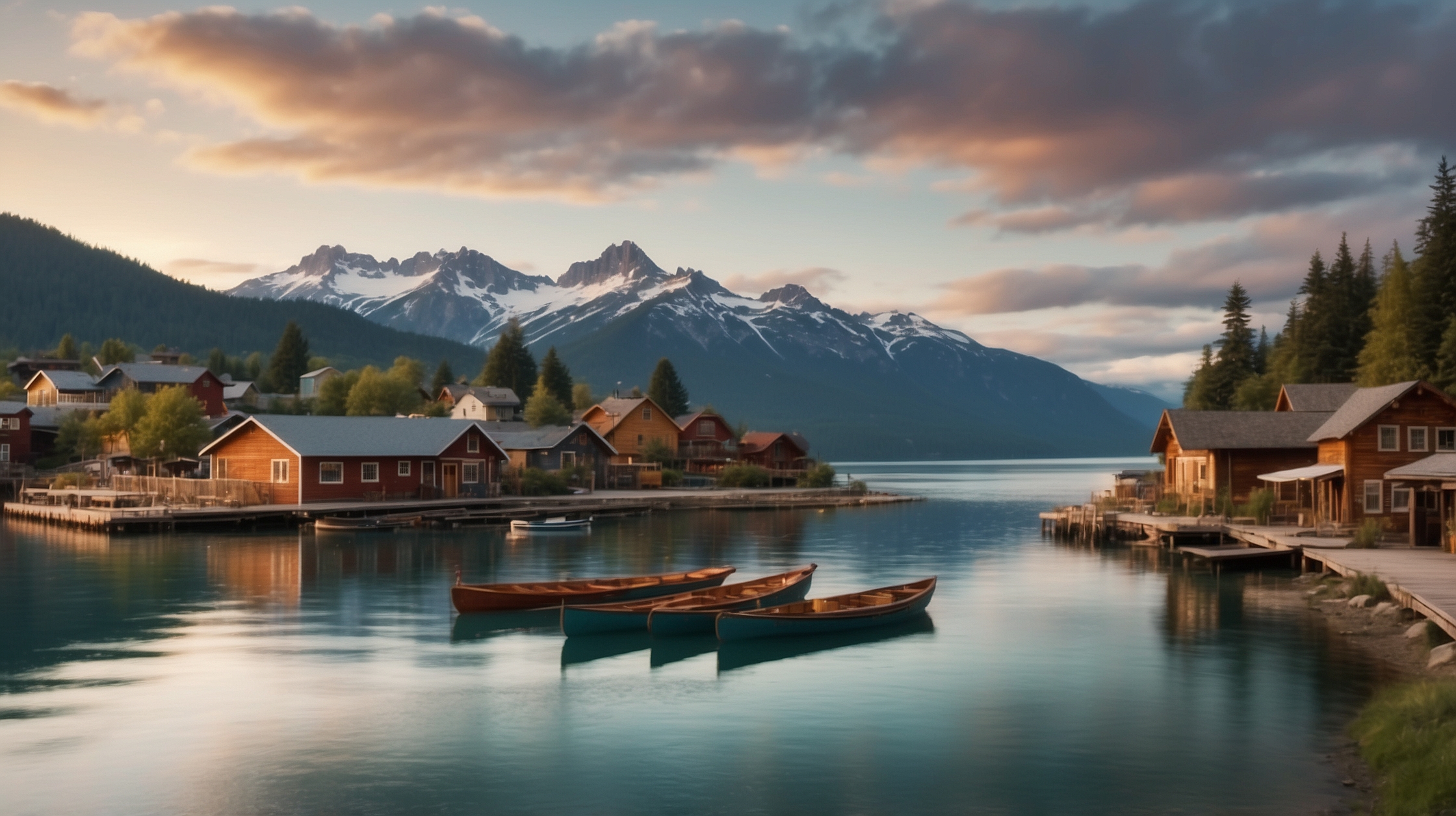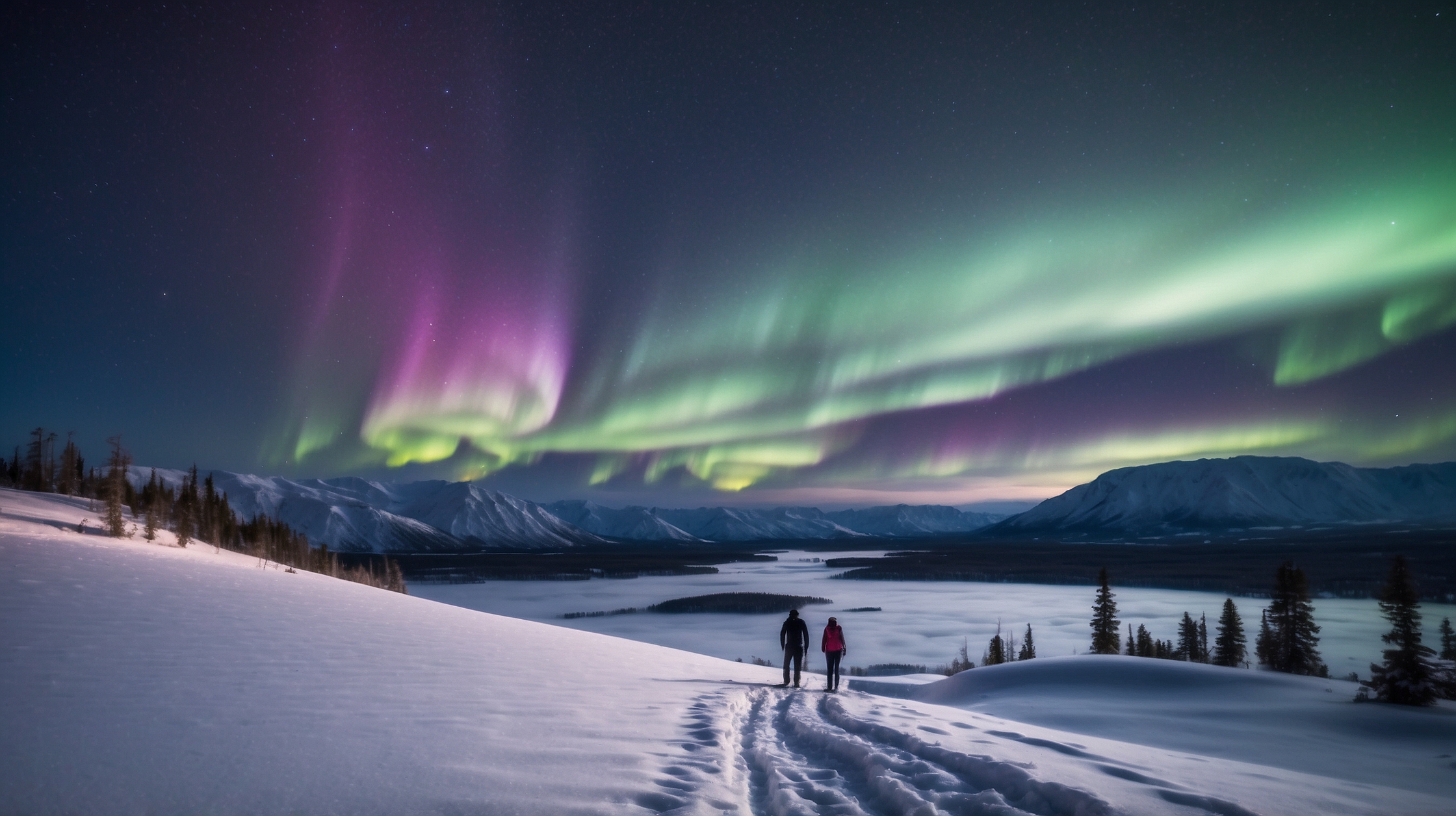
The **Northern Lights**, also known as the **aurora borealis**, are among the most awe-inspiring natural phenomena visible from Earth. Now, experts suggest that Canadians are in for a breathtaking treat over the next few years. As we approach the peak of the solar cycle, an increase in solar activity is expected to result in more vibrant and frequent light displays across the Canadian skies, especially in northern regions. For skywatchers, photographers, and adventure travelers, this is arguably the best time in decades to plan for aurora-viewing excursions across the country.
This natural spectacle is tightly connected to the Sun’s 11-year solar cycle, and recent studies suggest that this current solar maximum—previously predicted for 2025—may actually peak closer to **mid-to-late 2026**. That potential shift offers amateur astronomers and aurora fans a longer-than-expected window for viewing the lights at optimal brightness. With low-light pollution areas and higher latitudes, Canada remains one of the best places on Earth to experience this celestial phenomenon. However, not all regions are created equal, and understanding when, where, and how to see the Northern Lights will greatly enhance your chances of success.
Overview of the Northern Lights 2026 Peak
| Event | Northern Lights Activity Peak |
| Expected Peak Year | 2026 (adjusted from 2025) |
| Cause | Solar Maximum – High Sunspot Activity |
| Best Time to View | September–March (clear, dark skies) |
| Top Locations in Canada | Yukon, Northwest Territories, Nunavut, Northern Quebec, Alberta |
What is causing the Northern Lights to intensify?
The Northern Lights are produced when charged solar particles collide with Earth’s magnetic field, generating colorful light displays that ripple across the sky. The frequency and intensity of these displays vary based on **solar activity**, which follows a repeating 11-year solar cycle. We’re currently in **Solar Cycle 25**, which has shown signs of being more active than previously predicted.
What’s particularly exciting for watchers is the recent projection from solar physicists: Cycle 25 may be far stronger and last longer than anticipated. Originally pegged for a mid-2025 solar maximum, emerging solar data now suggests the **peak is shifting into 2026**, giving Canadians roughly two full winter seasons to catch these dazzling light shows at their best.
“We’re seeing not only increased sunspot activity but also massive solar storms, which are the key ingredients for more powerful auroras.”
— Dr. Elaine Rhodes, Space Weather Physicist (Placeholder)
Best places to see the Northern Lights in Canada
Canada is a Northern Lights hotspot globally due to its high-latitude geography. Some of the absolute best aurora viewing opportunities can be found in the following locations:
- Whitehorse, Yukon: Offers easy access to darkness and wide horizons, including aurora lodges and hot springs.
- Yellowknife, Northwest Territories: Known as the “Aurora Capital of North America.” Skies here are clear nearly 250 nights of the year.
- Churchill, Manitoba: Aside from its polar bears, Churchill is a renowned aurora viewing location each winter season.
- Nunavik and Northern Quebec: Remote and less touristed, these regions offer unspoiled dark skies.
- Jasper National Park, Alberta: As a designated Dark Sky Preserve, Jasper allows impressive aurora views within a protected wilderness area.
Remember, light pollution is the aurora’s worst enemy. Getting away from urban centers—even just a few kilometers—can substantially boost visibility potential. Winter months, especially between November and March, offer the darkest skies and longest nights for viewing.
Timing your viewing experience for maximum probability
The appearance of the aurora borealis isn’t guaranteed every night, even near the Arctic Circle. Understanding **solar wind forecasts**, **KP index numbers**, and aligning with moonless sky windows gives you better odds. Generally, aim your viewing expedition around the **new moon** and avoid nights with heavy cloud coverage.
Weather permitting, the Northern Lights are typically most visible between **10 p.m. and 2 a.m.** in winter. But with such active solar periods ahead, the lights might sometimes surprise you earlier in the evening or even during periods of twilight in high-latitude areas.
How science predicts auroral activity
Agencies like the Space Weather Prediction Center use satellite data to monitor **coronal mass ejections (CMEs)** and **solar flares**—large expulsions of plasma and magnetic field—to calculate short-term predictions for geomagnetic activity. The KP index (ranging from 0 to 9) measures this geomagnetic disturbance, with readings over 4 typically generating visible auroras in Canadian skies.
“Solar cycle behavior isn’t 100% predictable, but current data points to sustained activity through 2026, making this period an exceptional moment for aurora enthusiasts.”
— Julia Carr, Astrophysics Professor (Placeholder)
Winners and losers from the 2026 peak
| Winners | Losers |
|---|---|
| Tourism operators in Northern Canada | Urban stargazers battling light pollution |
| Astrophotographers and researchers | Regions below 40° latitude |
| Dark Sky Parks and nature lodges | Areas with frequent cloudy weather |
How to prepare for a Northern Lights trip in Canada
Planning ahead is key to a successful viewing experience:
- Choose high-latitude cities or lodges tailored for aurora watchers.
- Use weather and aurora alert apps to stay informed of real-time changes.
- Dress in layers—extreme temperatures are common during peak viewing months.
- Bring or rent photography gear: long-exposure camera settings will yield the best shots.
- Book early: Aurora tourism spots in Northern Canada sell out fast during peak times.
What to expect from solar activity until the 2026 peak
The **solar maximum** is not a one-day event. It’s a phase lasting months to a couple of years. During this time, expect higher frequencies of solar flares, CMEs, and geomagnetic storms. These events may even cause temporary radio blackouts and GPS signal disruptions. While that might sound alarming, it also signals extraordinary opportunities for **aurora activity even farther south than usual**. Cities like Halifax, Ottawa, and Vancouver have all seen surprise light shows during strong solar storms and may see more in the coming years.
“With this extended cycle, even casual observers in mid-latitude provinces may catch a rare glimpse of the lights.”
— Ken Sullivan, Environment Canada (Placeholder)
Short FAQs about the Northern Lights in Canada
When is the best time to see the Northern Lights in Canada?
The best months are between **September and March**, with peak visibility between **10 p.m. and 2 a.m.** on clear, dark nights.
Will the Northern Lights be stronger in 2026?
Yes. Predictions indicate that **2026 marks the solar maximum**, offering **more frequent and intense displays** of auroras.
Do I need special equipment to see the lights?
No special gear is necessary. However, **DSLR or mirrorless cameras** with long exposure settings help capture the lights more vividly.
Can I see the aurora from cities?
It’s possible during very strong storms, but **light pollution** greatly reduces visibility. Best results come from rural northern areas.
Is it safe to travel during aurora season?
Yes, but plan for **cold temperatures** and remote conditions in top viewing areas. Prepare accordingly with accommodations and gear.
How often do strong auroras occur?
During solar maximum periods like 2026, strong auroras may occur **several times per month**, especially in northern Canada.

Related Posts