Sarah grabbed a bottle of strawberry-kiwi flavoured water from the office vending machine, thinking she was making the healthier choice. After all, it looked so clean and natural compared to the sugary sodas sitting right next to it. The pastel packaging promised “pure refreshment” with hints of real fruit flavour.
But as she twisted off the cap, she had no idea that what she was drinking had gone through industrial treatment processes similar to those used for soft drinks. Like millions of other consumers, Sarah believed she was simply drinking water with a splash of natural fruit essence.
The truth about bottled flavoured waters is far more complex than most shoppers realise, and French consumer experts from 60 Millions de consommateurs have been digging deep into what really happens before these drinks hit the shelves.
The Legal Reality Behind Your Favourite Flavoured Water
Here’s something that might surprise you: the moment companies add flavours to bottled water, it legally stops being “water” in the traditional sense. Even if manufacturers start with pristine natural mineral water or spring water, adding those appealing fruit essences changes everything from a regulatory standpoint.
In France, and across much of Europe, flavoured waters lose their protected “mineral water” or “spring water” status the instant aromas, sweeteners, or other ingredients enter the mix. They suddenly fall into the same category as soft drinks and manufactured beverages.
“Once flavours are added, the product loses the special mineral or spring protection and can be treated like any other processed beverage,” explains a regulatory specialist familiar with European water standards.
This shift matters more than you might think. When your bottle transitions from “mineral water” to “flavoured beverage,” manufacturers can use a whole different playbook of treatment methods. The gentle, minimally-processed image you see on the label doesn’t always match the industrial reality.
What Treatment Really Means for Your Bottled Drink
Because bottled flavoured waters now count as soft drinks under the law, producers can use the same disinfection and stabilisation methods they’d apply to any manufactured beverage. We’re talking about serious industrial processes designed to kill microbes and extend shelf life.
The treatment options include:
- Advanced filtration systems that remove microscopic particles
- UV light treatment to destroy bacteria and viruses
- Ozonation processes that disinfect and oxidise contaminants
- Chemical stabilisation to prevent spoilage
- Pasteurisation-style heat treatments
None of these processes are secret or illegal. They’re actually carefully regulated and monitored for safety. But here’s the catch: you’ll rarely see any mention of these treatment steps on the front of the bottle.
| Product Type | Legal Status | Treatment Allowed |
|---|---|---|
| Natural Mineral Water | Protected designation | Minimal processing only |
| Spring Water | Protected designation | Limited treatment methods |
| Flavoured Water | Processed beverage | Full industrial treatment |
“Flavoured water is closer to a manufactured drink than to a simple bottled spring, both in process and in regulation,” notes a food industry analyst who has studied beverage processing methods.
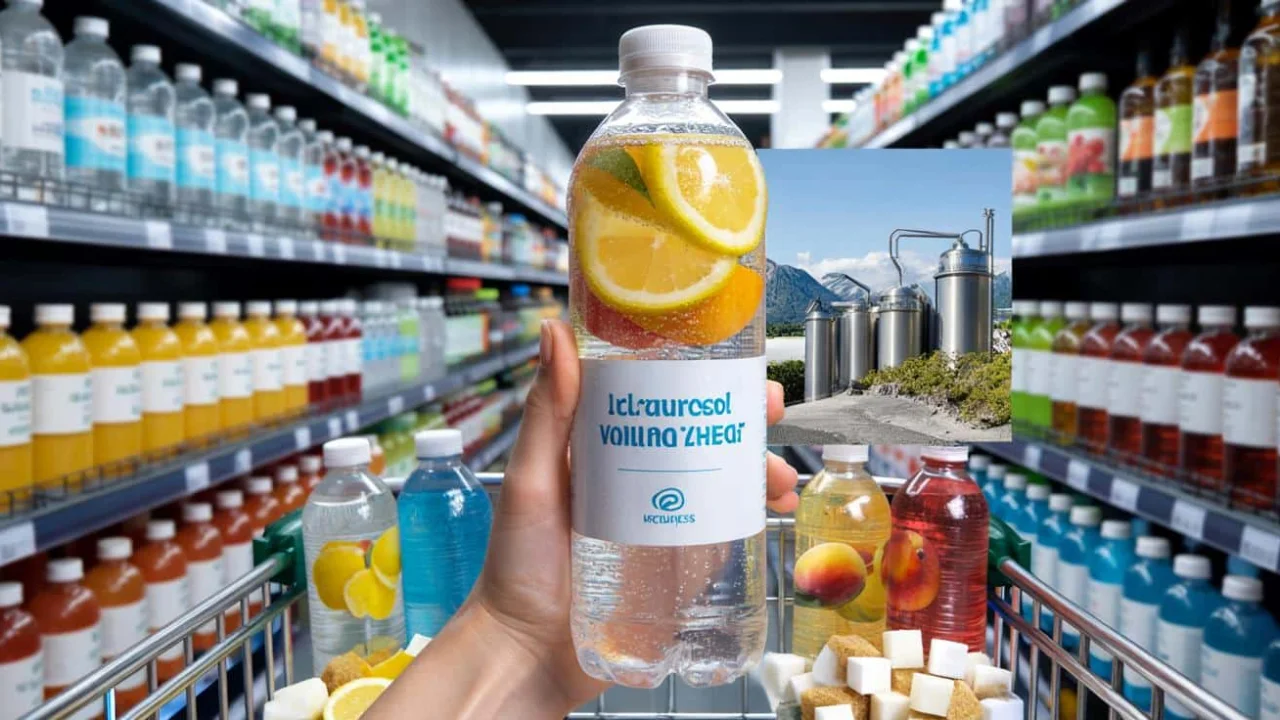
The marketing tells a different story. Those bottles showcase images of pristine mountain springs, fresh fruit slices, and crystal-clear waterfalls. The industrial treatment facilities where the actual processing happens? Not so much.
Who Gets Caught in This Confusion
The people most affected by this regulatory gap are health-conscious consumers who specifically choose bottled water to avoid processed drinks. Many shoppers pick flavoured waters thinking they’re getting the “purity” of bottled water with just a hint of natural taste.
Parents buying these drinks for their children often fall into this category. They see the fruity flavours and assume it’s a healthier alternative to juice boxes or sodas, without realising the processing involved.
Athletes and fitness enthusiasts represent another group that gets misled. They reach for flavoured waters during workouts, believing they’re getting clean hydration with minimal additives. The reality of industrial treatment doesn’t align with their wellness goals.
“Many consumers choosing bottled water specifically want to avoid treated liquids, but they don’t realize flavoured versions go through similar processes as other manufactured beverages,” observes a consumer rights advocate.
The confusion extends to people with specific health concerns or dietary restrictions. Some individuals avoid tap water due to sensitivities to chlorination or other municipal treatments, only to unknowingly consume similar industrial processing in their flavoured bottled water.
Environmental advocates face another layer of irony. They might choose bottled flavoured water thinking it’s “more natural” than canned soft drinks, while the actual processing footprint could be comparable or even higher.
The Price of Pretty Packaging
The 60 Millions de consommateurs investigation reveals how sophisticated marketing creates a perception gap between what consumers think they’re buying and what they actually get. Those Instagram-worthy bottles with their clean lines and nature imagery cost significantly more than basic bottled water, yet the contents have gone through extensive industrial processing.
Price comparisons show flavoured waters typically cost 300-500% more than plain bottled water, despite using similar base ingredients plus industrial flavouring and treatment processes. Consumers pay premium prices for what they believe is premium purity, but get manufactured beverage processing instead.
For people genuinely seeking minimally processed hydration, the experts suggest some surprising alternatives. Basic bottled still water obviously fits the bill, but even home-filtered tap water with fresh fruit slices might achieve the goal better than commercial flavoured waters.
“If your priority is minimum processing, a simple bottle of spring water or home-filtered tap water with real fruit might actually serve you better than the trendy citrus version next to it,” suggests a nutrition researcher specialising in beverage choices.
The investigation doesn’t condemn flavoured waters as unsafe or unhealthy. Instead, it highlights the importance of informed choice. When consumers understand what they’re actually buying, they can make decisions that align with their real preferences and priorities.
FAQs
Are flavoured waters actually treated like soft drinks?
Yes, once flavours are added to bottled water, it legally becomes a processed beverage and can undergo the same industrial treatment methods as soft drinks.
Is this treatment process dangerous for my health?
No, the treatment processes are regulated and considered safe, but many consumers don’t realise their “natural” flavoured water has been industrially processed.
Why don’t labels mention the treatment methods used?
While companies must list ingredients, they’re not required to detail processing methods on front labels, leading to consumer confusion about what they’re buying.
How can I find truly minimally processed bottled water?
Look for plain mineral water or spring water without any added flavours, sweeteners, or other ingredients beyond the natural water source.
Are flavoured waters more expensive because of better quality?
Flavoured waters cost significantly more than plain water primarily due to marketing, packaging, and flavouring costs, not necessarily better water quality.
Should I switch back to tap water instead?
Home-filtered tap water with fresh fruit slices might actually be less processed than commercial flavoured waters while costing much less.

Related Posts