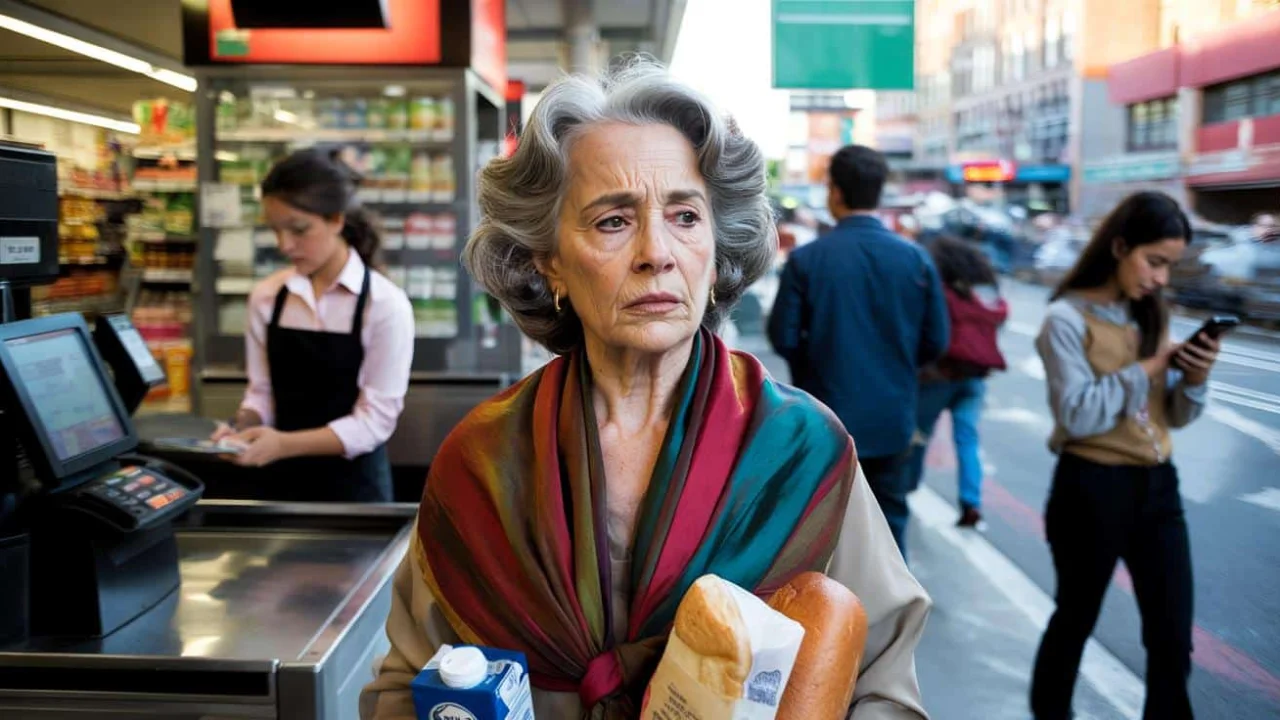
Margaret had always been the type of person who commanded attention when she walked into a room. At 42, she’d given presentations to boardrooms full of executives. At 55, neighbors still sought her advice on everything from gardening to career changes. But last Tuesday, standing in line at the grocery store, something shifted.
The young cashier was animated, laughing with the customer ahead of her about some viral video they’d both seen. When Margaret stepped forward with her items, the energy died. No smile, barely a glance, just the mechanical scan of her groceries and a mumbled total. Walking to her car, Margaret felt something she couldn’t quite name—a hollow sensation, like she’d somehow become see-through.
That night, she finally put words to the feeling that had been building for months: “I’m 65, and I feel invisible in public.”
When the World Stops Noticing You’re There
Feeling invisible at 65 isn’t just about hurt feelings or wounded pride. It’s a psychological phenomenon that affects millions of older adults, particularly women, who suddenly find themselves treated as background noise in a world that once acknowledged their presence.
Dr. Sarah Chen, a social psychologist specializing in aging, explains: “This invisibility often starts subtly in your late 50s and becomes more pronounced as you enter your 60s. People begin responding to your age before they respond to you as an individual.”
The signs creep in slowly. Shop assistants direct their enthusiasm toward younger customers while addressing you with patronizing terms like “dear” or “honey.” Waiters hand menus to your adult children while you sit right there. Bus drivers barely acknowledge your “thank you” while chatting warmly with passengers half your age.
What makes this particularly jarring is the internal disconnect. Inside, you might feel 35 one day, 48 the next. Your thoughts are sharp, your opinions formed, your experiences rich with wisdom. Yet the world increasingly treats you like furniture—useful when needed, otherwise ignored.
The Hidden Psychology Behind Age-Based Invisibility
Understanding why this happens requires looking at several psychological and cultural factors working together:
- Youth-obsessed culture: Our society equates value with productivity and beauty with youth, automatically diminishing older adults’ perceived worth
- Unconscious bias: Many people unconsciously categorize older adults as less relevant to their daily concerns
- Discomfort with aging: Younger people often avoid engaging with older adults as a way of avoiding their own mortality anxiety
- Economic targeting: Businesses focus marketing and service energy on demographics with more perceived spending power
- Technology divide: Digital-native generations may assume older adults are less connected or informed
| Age Group | Reported Invisibility Experiences | Most Common Triggers |
|---|---|---|
| 55-64 | 42% report occasional invisibility | Workplace dismissal, retail interactions |
| 65-74 | 68% report regular invisibility | Social gatherings, public service interactions |
| 75+ | 81% report frequent invisibility | Healthcare settings, family dynamics |
Clinical psychologist Dr. Michael Rodriguez notes: “The emotional impact goes far beyond momentary hurt feelings. Chronic social invisibility can lead to depression, anxiety, and a genuine questioning of one’s value in society.”
The Ripple Effects on Mental Health and Relationships
Feeling invisible at 65 creates a cascade of emotional consequences that extend far beyond individual encounters. When society consistently overlooks you, it becomes harder to maintain confidence in your own relevance and worth.
Many people describe a gradual withdrawal from social situations. Why attend the neighborhood barbecue if conversations flow around you rather than including you? Why speak up at community meetings if your ideas are met with polite dismissal?
The invisibility particularly stings in family settings. Adult children might discuss major decisions—job changes, moves, relationship issues—with each other while barely consulting the parent who raised them and lived through decades of similar challenges.
Gerontologist Dr. Amanda Foster observes: “We’re seeing increasing rates of social isolation among healthy, capable older adults who simply feel like the world has moved on without them. The irony is that many of these individuals have tremendous wisdom and experience to offer.”
This phenomenon also affects romantic relationships and dating. Single adults over 65 often report feeling completely overlooked in social settings where couples and younger singles receive natural attention and engagement.
Breaking Through the Invisible Barrier
While societal change takes time, individuals experiencing this invisibility can take concrete steps to reclaim their presence and voice:
- Dress confidently: Clothes that make you feel powerful can project that energy outward
- Make deliberate eye contact: Looking people directly in the eye forces acknowledgment
- Speak with authority: Use clear, confident speech rather than apologetic language
- Volunteer in leadership roles: Positions of responsibility make invisibility impossible
- Cultivate intergenerational friendships: Seek relationships across age groups
- Assert your expertise: Don’t downplay decades of knowledge and experience
Some communities are actively addressing this issue. Senior centers now offer “visibility workshops” where older adults practice assertiveness techniques and role-play challenging social situations.
The key is recognizing that feeling invisible at 65 isn’t a personal failure or inevitable part of aging. It’s a social construct that can be challenged and changed, one interaction at a time.
FAQs
Why do I suddenly feel invisible at 65 when I never felt this way before?
This typically happens because society’s treatment of you has shifted based on age-related assumptions, while your internal sense of self remains vibrant and engaged.
Is feeling invisible more common for women than men at this age?
Yes, research shows women experience age-related invisibility more acutely, often beginning earlier due to additional societal pressures around appearance and perceived usefulness.
How can I tell if my feelings are justified or if I’m being oversensitive?
Trust your instincts—if interactions feel different than they used to, you’re likely experiencing real social shifts, not imagining them.
What should I do when service workers treat me dismissively?
Speak up politely but firmly, make eye contact, and don’t be afraid to ask for the same courtesy you observe being given to others.
Can therapy help with feelings of social invisibility?
Absolutely—therapists can provide strategies for building confidence, processing the emotional impact, and developing practical approaches for demanding visibility.
Will this feeling of invisibility get worse as I age?
Not necessarily—many people find that by actively addressing the issue and building supportive communities, they actually feel more visible and valued in their 70s and beyond.

Related Posts