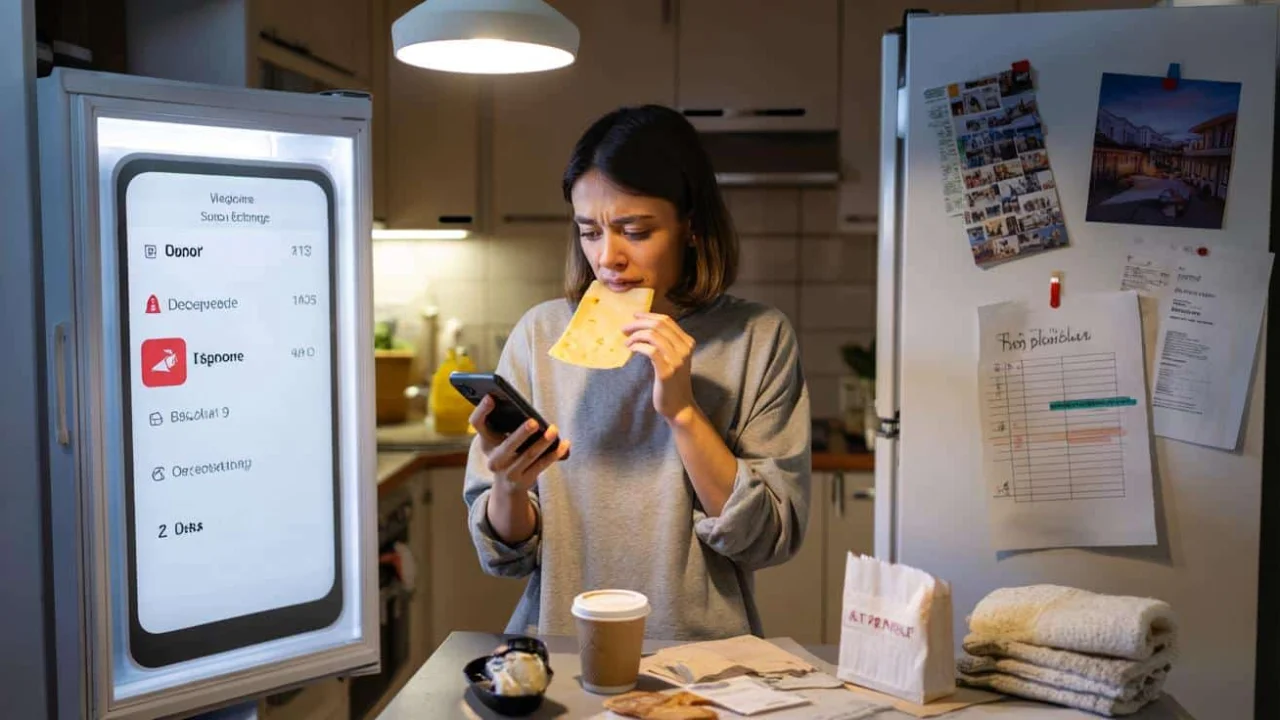
Last Tuesday night, I found myself standing in my kitchen at 11 PM, staring at a $47 grocery receipt for what should have been a $20 shopping trip. Again. I’d walked in for milk and bread, walked out with organic everything, fancy crackers, and that expensive chocolate that “wasn’t really that much more.” My budget app was sending me passive-aggressive notifications, and I was ready to delete the whole thing.
Sound familiar? I spent months convinced my budget was fundamentally broken. The numbers never added up. Every month felt like financial whiplash – careful planning followed by mysterious money disappearances. I’d blame inflation, unexpected expenses, or just “bad luck” with timing.
Then something clicked. The problem wasn’t my budget. It was my budget expectations – and the gap between what I thought I wanted and what I actually chose to spend money on.
The brutal honesty of bank statements
Your bank statement doesn’t lie, but it also doesn’t judge. It just records every single decision you made with your money, including the ones you barely remember making. When I finally sat down and really looked at mine, I saw a pattern that shocked me.
I wasn’t overspending on big things. I was death-by-a-thousand-paper-cuts spending on tiny upgrades and convenience purchases that added up to hundreds of dollars monthly.
“Most people underestimate their discretionary spending by about 30%,” explains financial advisor Sarah Chen. “We remember the big purchases, but those $8 coffees and $15 lunch upgrades disappear from our mental accounting.”
The real eye-opener came when I tracked my “small” purchases for just one week:
- Premium gas instead of regular: $8 extra
- Name-brand groceries over store brands: $23 extra
- Uber instead of public transport: $16 extra
- Restaurant lunch instead of homemade: $12 extra
- Impulse online purchases under $25: $31 total
That was $90 in one week – nearly $400 per month – on choices I made almost unconsciously.
Where budget expectations go wrong
The problem wasn’t that I didn’t have enough money. The problem was that my budget expectations didn’t match my actual priorities. I was budgeting like someone who prioritized savings, but spending like someone who prioritized convenience and small luxuries.
| What I Budgeted For | What I Actually Valued |
|---|---|
| Basic groceries: $80/week | Convenient, organic options: $120/week |
| Free entertainment | Social experiences and comfort: $200/month |
| Generic necessities | Quality versions that “last longer” |
| Home-cooked meals | Ordering in when tired or busy |
This mismatch created constant budget stress. I felt like I was failing, when really I was just funding different values than the ones I’d written down.
“The most successful budgets align with your actual behavior patterns, not your aspirational ones,” notes behavioral economist Dr. Michael Rodriguez. “If you consistently overspend in certain categories, that’s data about your real priorities, not a character flaw.”
The convenience tax nobody talks about
Here’s what nobody tells you about modern spending: we’re all paying a “convenience tax” that previous generations never faced. Food delivery, ride-sharing, subscription services, same-day shipping – these weren’t options for our parents, so they’re not built into traditional budgeting advice.
But convenience has become a necessity for many people juggling work, family, and life. The question isn’t whether to pay for convenience, but how much convenience you can afford and which types matter most to you.
I started categorizing my convenience spending to understand where my money was really going:
- Time-saving convenience (food delivery, rideshares): $180/month
- Energy-saving convenience (house cleaning, grocery pickup): $95/month
- Stress-reducing convenience (premium options to avoid crowds/waits): $60/month
Suddenly, my “mysterious” overspending made perfect sense. I was buying myself time and mental energy, but I’d never acknowledged that in my budget expectations.
Adjusting expectations instead of fighting reality
The breakthrough came when I stopped trying to force myself into someone else’s budget template and started building one around my actual spending patterns. Instead of fighting my tendency to choose convenience, I built it into my planning.
I increased my food budget by $40 per month and accepted that I’m someone who pays for grocery delivery when I’m overwhelmed. I set aside $50 monthly for “stress spending” – those moments when I just need to order takeout or grab an Uber instead of waiting for the bus.
“When you acknowledge your real spending triggers, you can plan for them instead of being surprised by them,” explains financial coach Lisa Park. “It’s the difference between budgeting for the person you are versus the person you think you should be.”
The result? For the first time in years, I consistently stayed within my budget. Not because I spent less, but because my budget expectations finally matched my actual values and behaviors.
Making peace with your money personality
Some people are natural savers. Others are spenders who find joy and stress relief in purchases. Neither is wrong, but both need different approaches to budgeting. I learned I’m someone who spends money to buy back time and reduce decision fatigue – and that’s okay.
The key changes that worked for me:
- Tracked spending for two months without trying to change it
- Identified patterns instead of individual “mistakes”
- Built realistic buffers into every budget category
- Separated “aspirational” spending from “actual” spending habits
- Focused on one major spending category at a time
Your budget isn’t broken if it consistently gets blown – it’s just unrealistic. The solution isn’t always to spend less; sometimes it’s to budget more honestly for the life you’re actually living.
FAQs
How do I know if my budget expectations are unrealistic?
If you consistently overspend in the same categories month after month, that’s a sign your budget expectations don’t match your actual priorities and habits.
Is it okay to budget for convenience spending?
Absolutely. If convenience purchases reduce your stress and improve your quality of life, they deserve a line item in your budget just like any other priority.
How much should I budget above my “ideal” spending?
Start by tracking your actual spending for 2-3 months, then add 10-15% buffer to each category where you consistently overspend.
What if I can’t afford to budget for all my convenience spending?
Prioritize which convenience purchases give you the most value. Maybe you keep food delivery but eliminate premium product upgrades, or vice versa.
How do I stop feeling guilty about spending money on convenience?
Remember that time and mental energy have value too. If a convenience purchase saves you time for things you value more, it’s a worthwhile trade-off.
Should I still try to reduce my spending in some areas?
Yes, but choose one category at a time and focus on changes you can actually sustain long-term rather than dramatic cuts that won’t stick.

Related Posts