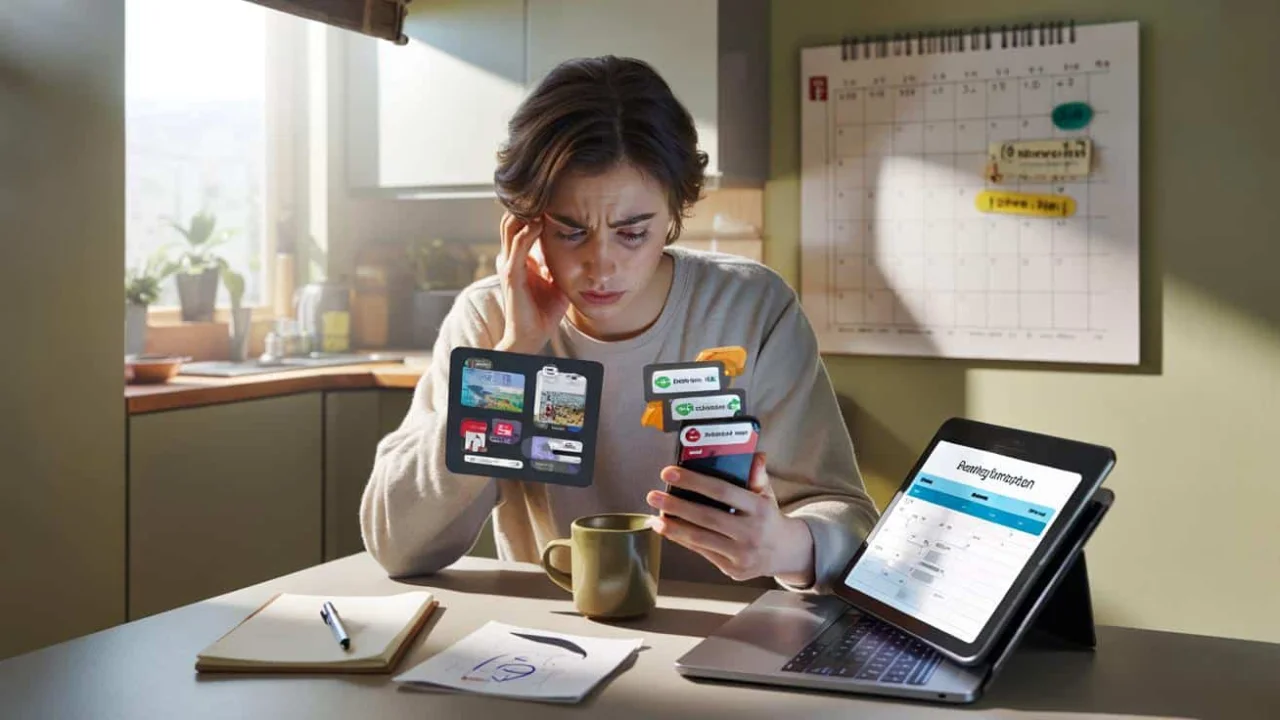
Sarah stared at her computer screen for the third time in ten minutes, cursor blinking on the same email she’d started an hour ago. Her coffee had gone cold, her phone buzzed with unanswered messages, and her shoulders felt like they were carrying invisible sandbags. To anyone walking by her desk, she looked fine—maybe a little focused, perhaps slightly tired. But inside, every thought felt like it was moving through thick honey.
She wasn’t sick. She wasn’t having a breakdown. She was just existing in that strange space where everything requires twice the effort it used to, where simple decisions feel mountainous, and where the weight of being “on” all the time has slowly accumulated into something she can barely name.
This is emotional fatigue, and it’s one of the most misunderstood forms of exhaustion we experience. Unlike physical tiredness that rest can cure, or mental burnout that often comes with clear warning signs, emotional fatigue operates in the shadows—heavy but invisible, real but hard to explain.
The Science Behind the Invisible Weight
Emotional fatigue happens when your brain’s emotional processing system gets overloaded. Dr. Michael Chen, a neuropsychologist specializing in stress responses, explains it simply: “Think of your emotional capacity like a smartphone battery. Every interaction, decision, worry, or feeling drains a little power. When you’re constantly running emotional apps without plugging in to recharge, you end up in low-power mode.”
The tricky part is that this “low-power mode” doesn’t shut you down completely. Instead, it makes everything harder while keeping you functional enough that others—and even you—might not notice what’s happening.
Your brain is actually working overtime during emotional fatigue. The prefrontal cortex, responsible for decision-making and emotional regulation, becomes hyperactive as it tries to manage the constant stream of emotional input. Meanwhile, the limbic system, which processes emotions, starts sending mixed signals.
This creates what researchers call “emotional dysregulation”—a state where your emotional responses become unpredictable and disproportionate to the situation. You might find yourself crying at a commercial or feeling overwhelmed by choosing what to have for lunch.
Recognizing the Hidden Signs
Emotional fatigue shows up in ways that are easy to dismiss as personality quirks or temporary stress. Here are the key indicators that your emotional system is running on empty:
- Procrastinating on tasks that require emotional energy (calling family, responding to personal messages)
- Feeling overwhelmed by small decisions like what to wear or eat
- Having delayed emotional reactions to events—feeling nothing in the moment, then crying hours later
- Struggling to feel excited about things you usually enjoy
- Finding social interactions exhausting, even with people you love
- Physical symptoms like headaches, tension, or digestive issues with no clear medical cause
- Sleep problems despite feeling exhausted
- Increased irritability over minor inconveniences
| Physical Fatigue | Emotional Fatigue |
|---|---|
| Body feels heavy and tired | Mind feels foggy and disconnected |
| Resolved by rest and sleep | Persists even after adequate rest |
| Visible to others | Often invisible to others |
| Affects physical performance | Affects emotional responses and decision-making |
| Usually temporary | Can persist for weeks or months |
Licensed therapist Dr. Amanda Rodriguez notes, “The challenge with emotional fatigue is that society doesn’t recognize it the way we do physical illness. You can’t call in sick for feeling emotionally drained, so people push through, making it worse.”
Who Gets Hit the Hardest
Certain groups of people are more vulnerable to emotional fatigue, often without realizing it. Caregivers top the list—whether they’re parents managing young children, adults caring for aging parents, or healthcare workers dealing with constant human need.
People in high-empathy professions like teachers, social workers, therapists, and customer service representatives face what researchers call “compassion fatigue.” They give emotional support all day, then go home and try to be present for their own families.
The digital age has created new categories of emotional exhaustion. Social media managers, content creators, and remote workers dealing with constant online communication report feeling drained in ways that didn’t exist twenty years ago.
Women, statistically, experience emotional fatigue at higher rates than men. This isn’t because they’re weaker—it’s because they’re often expected to manage the emotional needs of others while suppressing their own. Dr. Lisa Park, who studies gender and stress, explains: “Women are typically the emotional managers of their households and workplaces. They remember birthdays, check in on struggling colleagues, and mediate conflicts. This emotional labor is exhausting and largely invisible.”
People with anxiety and depression are particularly susceptible because their brains are already working harder to regulate emotions. Add life stress on top of existing mental health challenges, and emotional fatigue becomes almost inevitable.
Breaking the Cycle
The good news is that emotional fatigue, unlike some forms of burnout, responds well to intentional intervention. The key is recognizing that your emotional system needs the same kind of maintenance as your physical body.
Start with micro-recoveries throughout your day. This might mean taking three deep breaths before answering your phone, stepping outside for two minutes between meetings, or giving yourself permission to not respond to every text immediately.
Boundary-setting becomes crucial. Dr. Chen suggests the “emotional energy audit” approach: “Track what drains you and what restores you for a week. You’ll probably find patterns you didn’t notice before.”
Physical movement helps reset your emotional system. You don’t need intense workouts—even a five-minute walk can shift your brain chemistry and give your emotional processing system a break.
Consider practicing what psychologists call “emotional granularity”—getting more specific about naming your feelings. Instead of saying “I’m stressed,” try “I’m feeling overwhelmed by competing priorities and uncertain about my decisions.” This simple practice helps your brain process emotions more efficiently.
Sleep becomes even more critical when you’re emotionally fatigued. Your brain needs REM sleep to process the emotional events of the day. Without adequate sleep, emotions pile up like unprocessed paperwork.
FAQs
How long does emotional fatigue usually last?
It varies widely, but most people notice improvement within 2-4 weeks of implementing recovery strategies consistently.
Can emotional fatigue lead to physical health problems?
Yes, chronic emotional fatigue can contribute to headaches, digestive issues, weakened immune system, and sleep disorders.
Is emotional fatigue the same as depression?
No, though they can overlap. Depression involves persistent sadness and loss of interest, while emotional fatigue is more about feeling drained and overwhelmed.
Should I see a therapist for emotional fatigue?
If it’s affecting your daily life for more than a few weeks, or if you’re having thoughts of self-harm, yes, professional help is recommended.
Can medication help with emotional fatigue?
Sometimes, especially if there’s underlying anxiety or depression, but lifestyle changes and therapy are typically the first line of treatment.
How do I explain emotional fatigue to my boss or family?
Focus on specific impacts: “I’m experiencing some stress-related symptoms that are affecting my concentration and energy. I’m working on addressing it and may need some flexibility while I recover.”

Related Posts