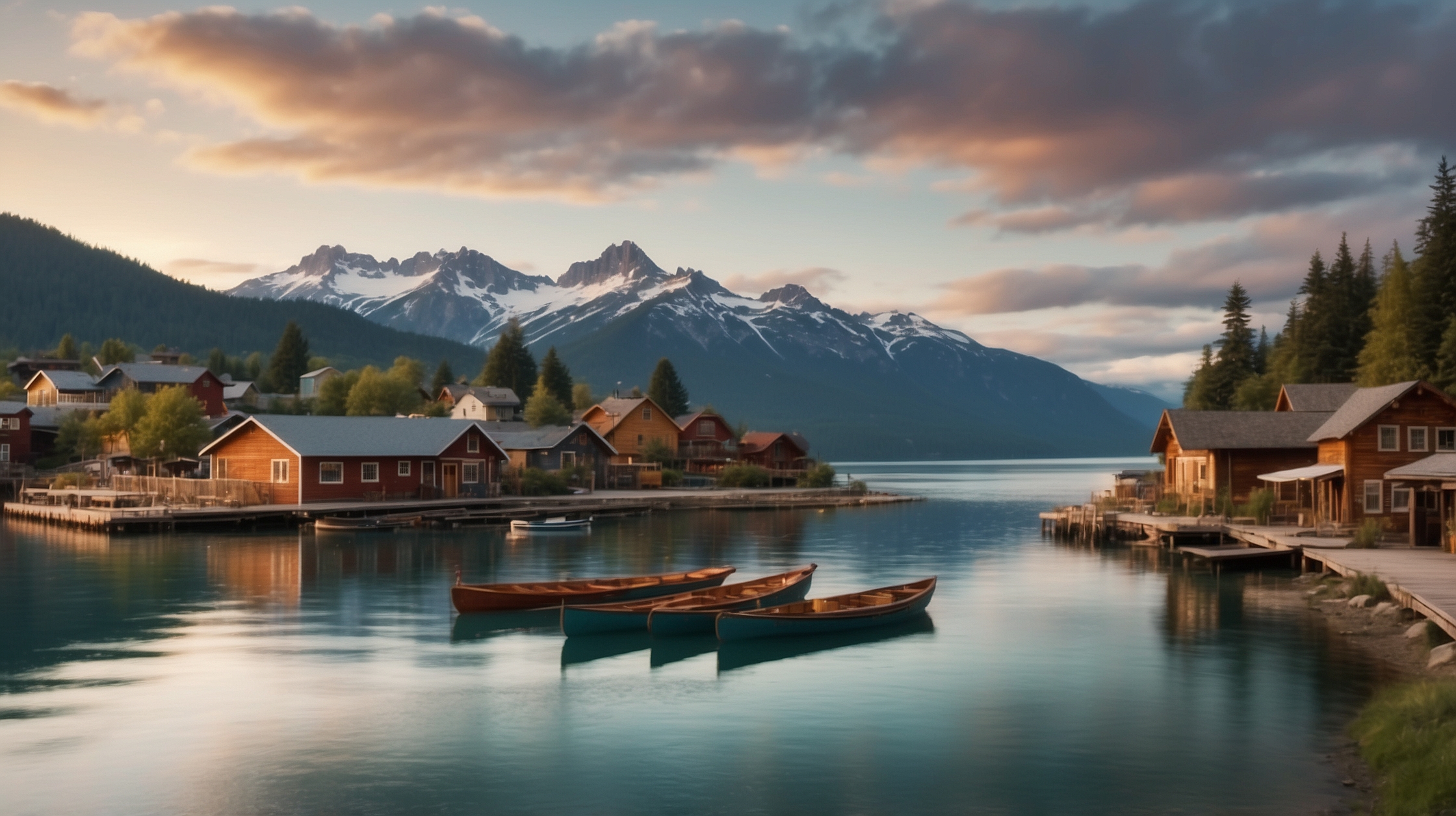
British Columbia’s picturesque landscapes are matched only by its skyrocketing cost of living — particularly in Vancouver, the province’s largest metropolitan hub. As housing prices climb and urban living expenses continue to strain household budgets, more residents are opting to call smaller towns home. Luckily, B.C. is rich with charming, affordable alternatives where stunning scenery meets lower overhead costs. From revitalized rural enclaves to bustling miniature cities, these towns offer not only a lower cost of living but also vibrant communities and outdoor lifestyle perks that rival even Vancouver’s prestigious offerings.
While Vancouver remains a cultural and economic magnet, its living costs — especially real estate — have become nearly prohibitive for many. According to recent figures, the average home price in the city hovers near $1.2 million, effectively pricing out first-time home-buyers and young families. In contrast, smaller towns offer housing for a fraction of that cost, along with lifestyle benefits such as less traffic, clear air, shorter commutes, and proximity to nature. These advantages are drawing remote workers, retirees, and entrepreneurs alike, all seeking a better work-life balance in pristine settings that don’t come with a million-dollar price tag.
Overview of Affordable Small Towns in B.C.
| Town | Region | Average Home Price | Main Attractions |
|---|---|---|---|
| Nelson | Kootenay | $650,000 | Historic downtown, arts scene, Kootenay Lake |
| Powell River | Sunshine Coast | $475,000 | Coastal setting, hiking trails, affordability |
| Smithers | Bulkley Valley | $410,000 | Alpine charm, ski hills, community vibe |
| Fernie | East Kootenay | $585,000 | Skiing, mountain biking, heritage buildings |
| Rossland | West Kootenay | $540,000 | Red Mountain Resort, outdoor lifestyle |
| Cumberland | Vancouver Island | $560,000 | Mountain biking, lakes, island charm |
| Kimberley | East Kootenay | $450,000 | European feel, trail network, ski hill |
Why these towns are attracting more residents
The appeal of these towns lies in more than just economics. Each one offers a unique blend of culture, recreational opportunities, and a welcoming pace of life. Nelson, for example, is not just a budget-friendly enclave — it boasts a thriving arts community, gourmet restaurants, and cinematic mountain backdrops. Similarly, Cumberland has reinvented itself as a haven for mountain bikers and creative professionals looking for a sense of place outside urban sprawl.
Remote work has also played a pivotal role in facilitating this migration. More British Columbians than ever before can earn Vancouver-level incomes without physically living there. Combined with provincial and federal incentives for rural living and small business development, this flexibility means the small-town lifestyle is no longer out of reach for professionals and families alike.
“You’re seeing a lifestyle shift. People no longer believe the city is the only place for opportunity.”
— Alex Grant, Urban Development Analyst
How affordability compares to Vancouver
The cost structure in these towns is a striking contrast to the financial demands of urban centres. While a one-bedroom rental can easily cost $2,800 per month in Vancouver, towns like Powell River and Smithers offer similar accommodations for well under $1,200. Groceries, dining, childcare, and transportation scale down accordingly — sometimes by as much as 30–50%.
More critically, the cost of homeownership becomes feasible for those priced out of the Vancouver market. Many of these towns offer detached homes under $600,000 — often with large lots, gardens, and even lake or mountain views. These price tags come with minimal trades in quality of life and sometimes a notable bump in overall wellbeing due to lower stress and closer community ties.
“The bang-for-buck in Rossland is impressive. We bought a four-bedroom home with a backyard for less than our studio condo in East Van.”
— Tamara Li, Relocated Tech Worker
Spotlight on Nelson: The Kootenay’s cultural hub
Known as the ‘Queen City’ of the Kootenays, Nelson is a standout among B.C.’s affordable gems. Clad in heritage architecture and an avalanche of locally owned businesses, it stands apart for its cultural depth and lifestyle appeal. Nestled on the shores of Kootenay Lake and backed by lofty peaks, Nelson offers everything from indie bookstores and health food cafés to world-class skiing at Whitewater Resort.
Artists, writers, chefs, and innovators find common ground here, often collaborating through community events or co-working spaces. The town’s size belies its complexity — with 10,000 residents, it punches well above its weight in arts, environment, and entrepreneurship.
Hidden gem: Why Smithers is becoming B.C.’s alpine darling
Smithers has quietly become one of the province’s most desirable spots to relocate if mountain life paired with economic sensibility appeals. Mimicking the look and feel of an alpine village, Smithers enjoys proximity to rivers, forests, and ski terrain — as well as a growing economy tied to forestry, tourism, and remote work.
Its community-oriented layout means residents can often meet most needs on foot or by bike, and despite being more remote than other towns, Smithers has solid infrastructure and healthcare access. The lifestyle, especially for young families, offers an intentional simplicity that modern urban settings can’t replicate.
Powell River: Ocean views at a discount
Located on the Sunshine Coast, Powell River offers oceanfront vistas without Vancouver’s coastal price tags. Once a mill town, it is now in rapid revitalization, with local markets, music festivals, and a nascent food scene drawing in former city dwellers.
Housing remains affordable, the air is clean, and the surrounding environment — including Desolation Sound and multiple provincial parks — makes it a nature lover’s dream. As connectivity improves and more ferry service enhances access to the rest of B.C., Powell River’s profile is steadily on the rise.
Winners and Losers of the affordability shift
| Winners | Why |
|---|---|
| Remote workers | Access to lower living costs while keeping urban wages |
| Young families | More space and better lifestyle for children at affordable rates |
| Small-town economies | Increased investment, revitalized local industries |
| Vancouver renters | Less competition as people leave for smaller towns |
| Unprepared small-town infrastructure | Strain on local resources including schools and housing |
Who is the ideal candidate for small-town relocation
If you’re willing to trade 24-hour sushi for year-round hiking, smaller towns could offer your dream lifestyle. These communities are ideal for individuals or families prioritizing affordability, nature, and community over nightlife and cultural ubiquity. Young entrepreneurs, tradespeople, creatives, and retirees often find their goals better matched and more attainable in these settings.
What to keep in mind before moving
While moving to a smaller town comes with many benefits, it’s not without transition surprises. Access to certain specialized healthcare services, limited entertainment venues, and longer travel times for major appointments are all factors to consider. It’s also essential to scope out the job landscape or ensure stable remote work before moving. Community integration can be easier in smaller circles, but it often requires proactive engagement to become part of local groups and social life.
“The people are what make this town. As long as you show up and participate, you’re welcomed quickly.”
— Jordan MacNeil, Entrepreneur in Cumberland
FAQs about relocating to B.C.’s small towns
How much can I expect to save by moving out of Vancouver?
On average, residents report saving between 30% and 50% on housing, food, and transportation combined.
Is remote work sustainable in these small towns?
Yes, most featured towns have sufficient internet infrastructure to support remote jobs, especially in tech and design sectors.
Do these towns have access to good schools and healthcare?
Basic infrastructures like public schools and medical facilities are present, though access to specialists may require travel to larger centres.
Will I be able to find social or cultural communities?
Yes, many towns such as Nelson and Cumberland have thriving arts scenes and active community networks open to newcomers.
Is real estate seeing upward trends in these towns?
Yes, housing prices are gradually increasing as demand grows, though they still remain significantly below Vancouver levels.
Are government grants available for relocating or starting a business?
Certain provincial and federal incentive programs exist, especially for rural entrepreneurship and housing development.

Related Posts